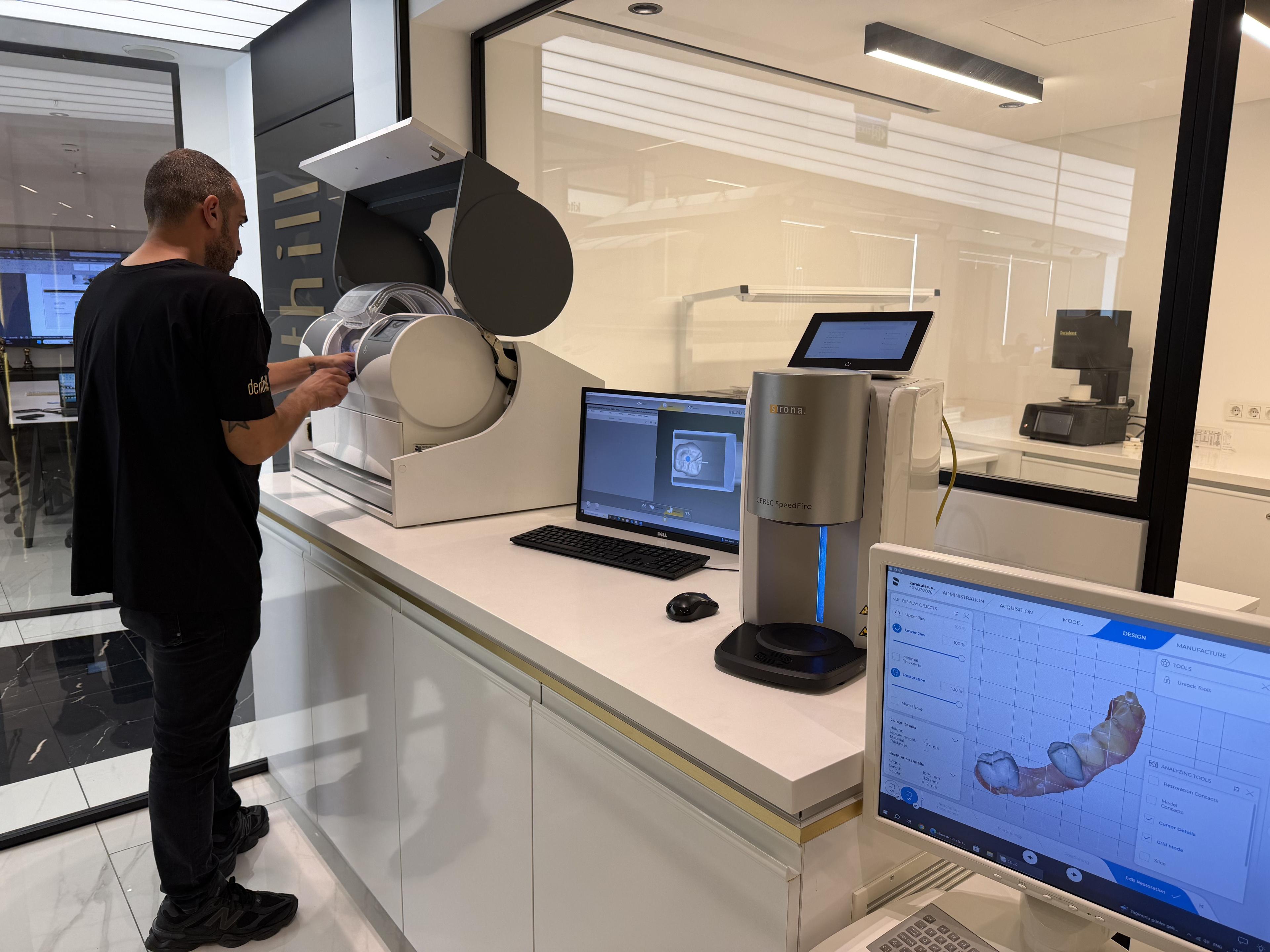
Supports information gathering and planning.
3D Imaging and Planning
Imaging may contribute anatomical information when it is clinically indicated and interpreted alongside examination findings.
Understand its role

Language
Children’s Dental Health
Paediatric dentistry provides age-appropriate preventive and therapeutic oral health care for children and adolescents.
This review draft provides general information and does not replace a dental examination or personal treatment plan.
Chat on WhatsApp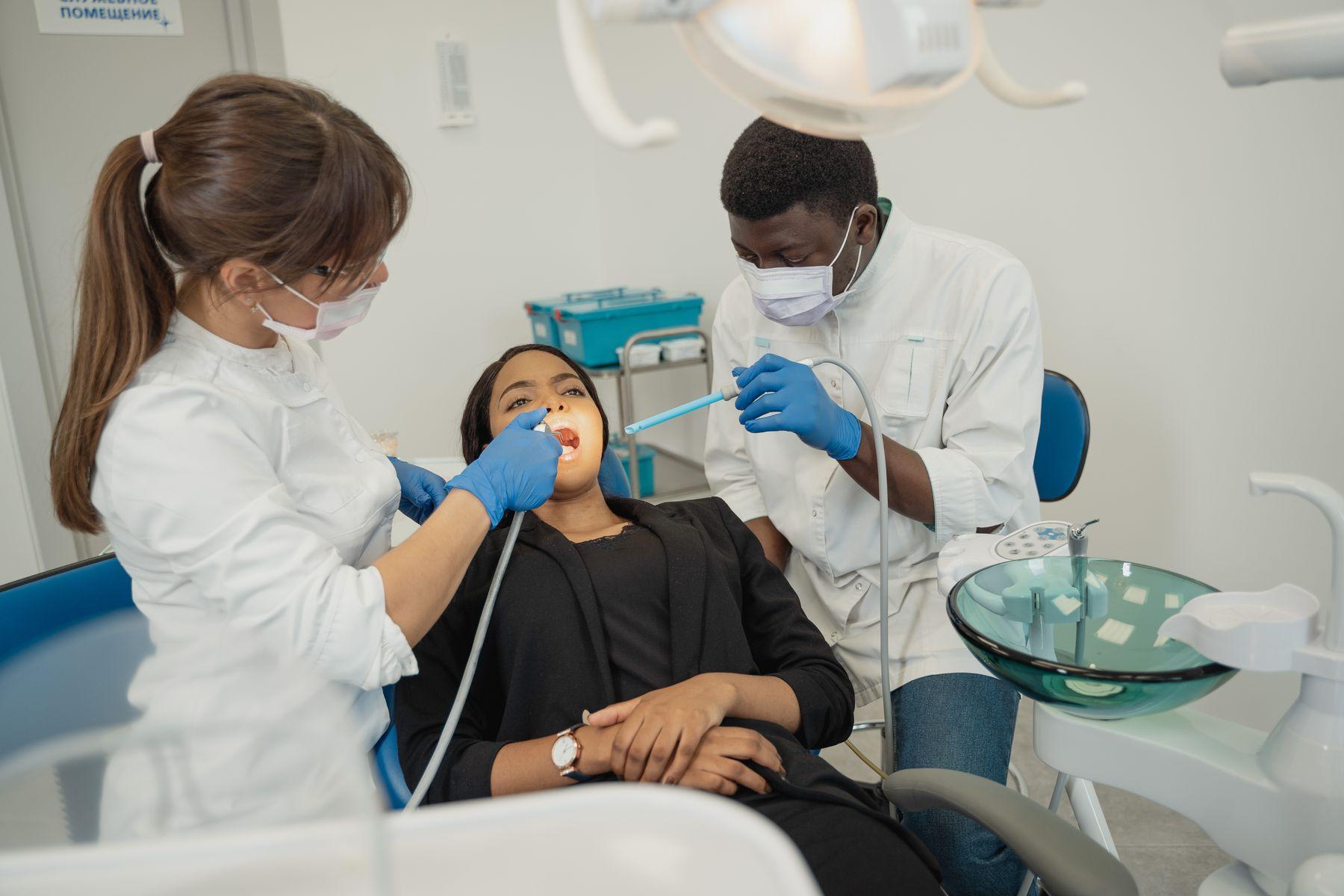
Overview
The topic is presented as a clinical concern, an assessment and an individual plan rather than as a predetermined treatment.
The reason for exploring paediatric dentistry is discussed without assuming a diagnosis.
Relevant history, examination and any clinically indicated records are considered together.
Options, limitations, alternatives, stages and maintenance are explained before consent.
These examples describe common contexts only. They do not determine whether a particular approach is suitable for an individual patient.
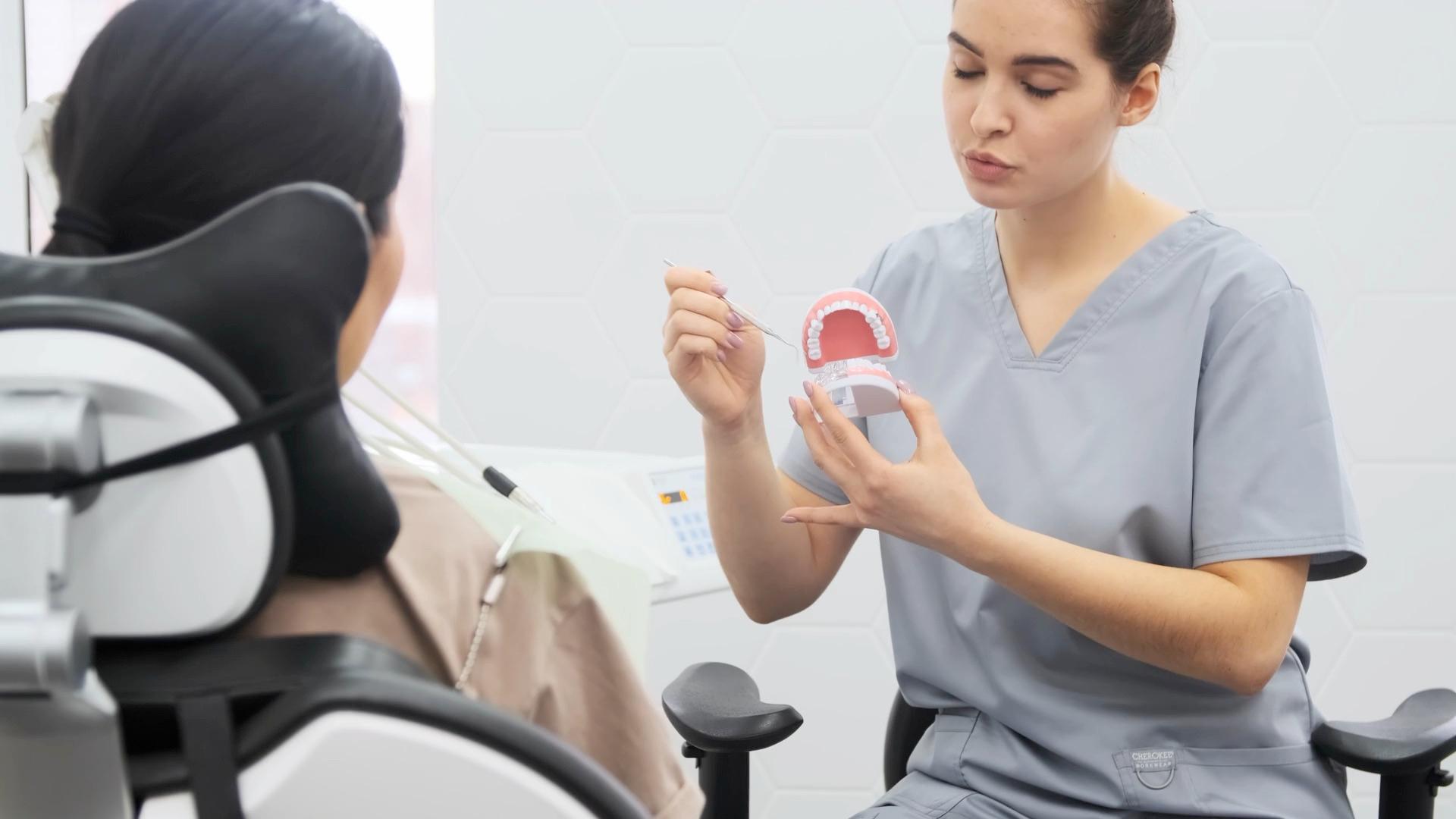
Early assessment supports prevention, familiarity and guidance for families.
Fluoride, cleaning, diet and sealants may be discussed according to age and risk.
Dental disease in primary and permanent teeth should be assessed promptly.
Tooth eruption, bite and oral habits can be monitored over time.
Assessment & suitability
Planning draws on several sources of information and remains clinician-led. This list is explanatory, not an eligibility checklist.
Communication and care are adapted to the child’s developmental stage.
Medical conditions, medicines, allergies and previous experiences are reviewed.
Decay risk, diet, fluoride exposure and home care influence preventive planning.
Behaviour guidance and, where indicated, additional support are planned carefully.
Health conditions, medicines, allergies and previous care can influence planning.
Comfort, function, appearance, maintenance and practical constraints are discussed together.
Treatment process
This is an informational sequence. It does not represent a live progress tracker or imply five appointments.
The concern, relevant history and clinical findings are considered before options are discussed.
Photographs, scans, imaging or other records are used only where they add clinically relevant information.
Oral-health needs may need attention first. This stage is not required in every plan.
Any treatment proceeds according to the consented plan and individual clinical circumstances.
The response, comfort and longer-term maintenance needs are reviewed as appropriate.
Timing and healing
Stage timing, healing or adaptation, visit count and overall duration are related but not interchangeable.

Each clinical stage can require a different amount of time.
Biological healing and adaptation are assessed individually.
Five information stages do not mean five appointments.
The complete plan depends on the stages and reviews actually required.
Review access and travel planning may affect appointment coordination.
A clinician considers these factors together. Browsing them does not produce a score, diagnosis or treatment recommendation.
Communication and care are adapted to the child’s developmental stage.
Medical conditions, medicines, allergies and previous experiences are reviewed.
Decay risk, diet, fluoride exposure and home care influence preventive planning.
Behaviour guidance and, where indicated, additional support are planned carefully.
Active conditions and immediate care needs are assessed before elective treatment.
Relevant health factors can influence planning, risks and recovery.
The ability to attend reviews and maintain care forms part of planning.
Alternatives
Different approaches may be discussed with equal clinical consideration. The relevant option depends on individual findings and priorities.
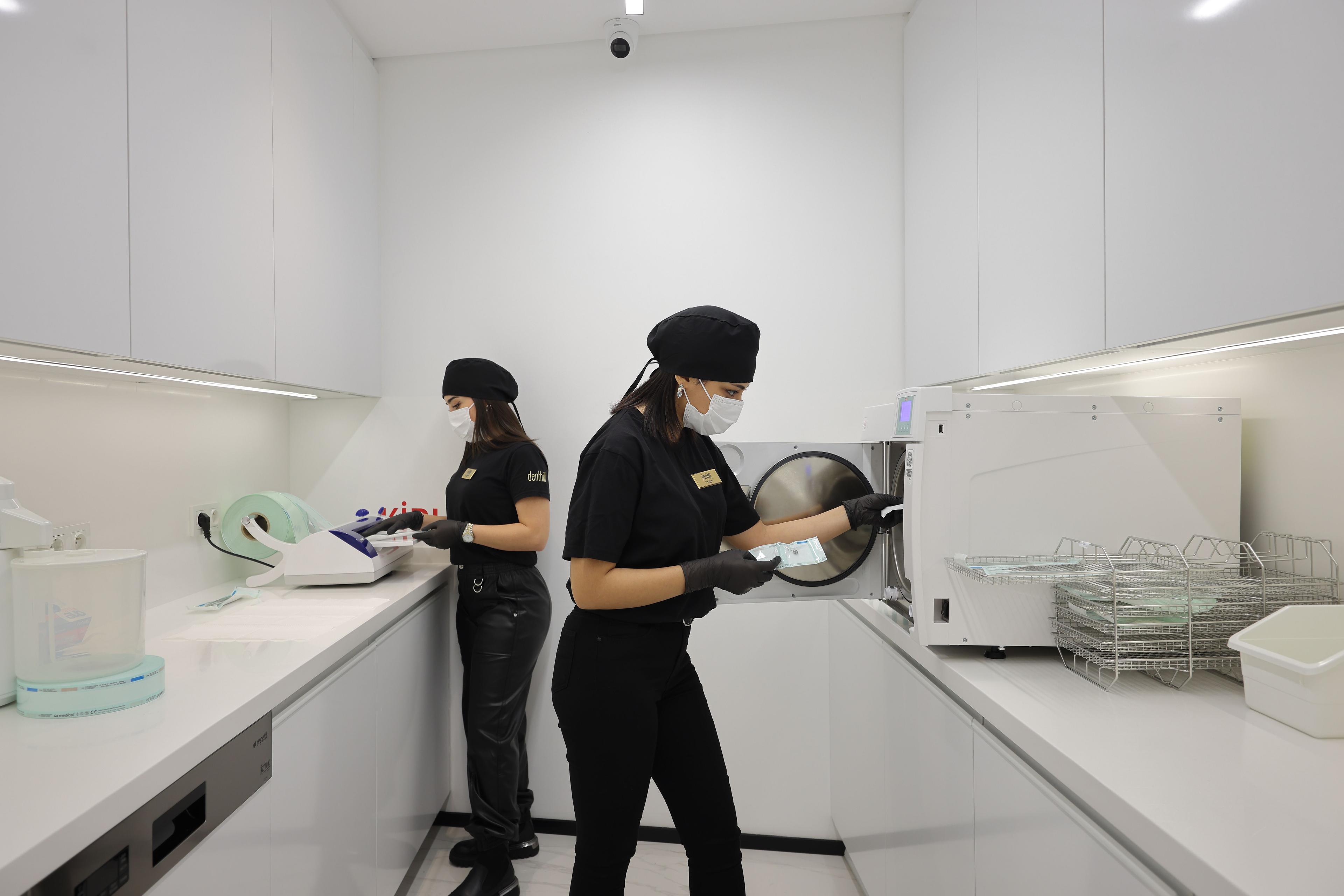
Guidance, fluoride and sealants may help protect teeth when appropriate.
Damaged teeth may be repaired or otherwise managed according to diagnosis and development.
Pain, swelling or trauma may need prompt assessment and tailored treatment.
Complex needs or additional support may be managed with a paediatric dental specialist.
Ongoing care
Aftercare is an ongoing responsibility, not a sixth completion stage. Personal instructions from the treating clinician take priority over general information.
Follow the cleaning guidance provided for the teeth, gums and any restorations involved.
Attend recommended reviews so healing, comfort, function and stability can be checked.
Contact the clinical team if pain, swelling, damage or another unexpected change develops.
Ongoing care is adjusted to individual findings, risk factors and the treatment provided.
Workflow support
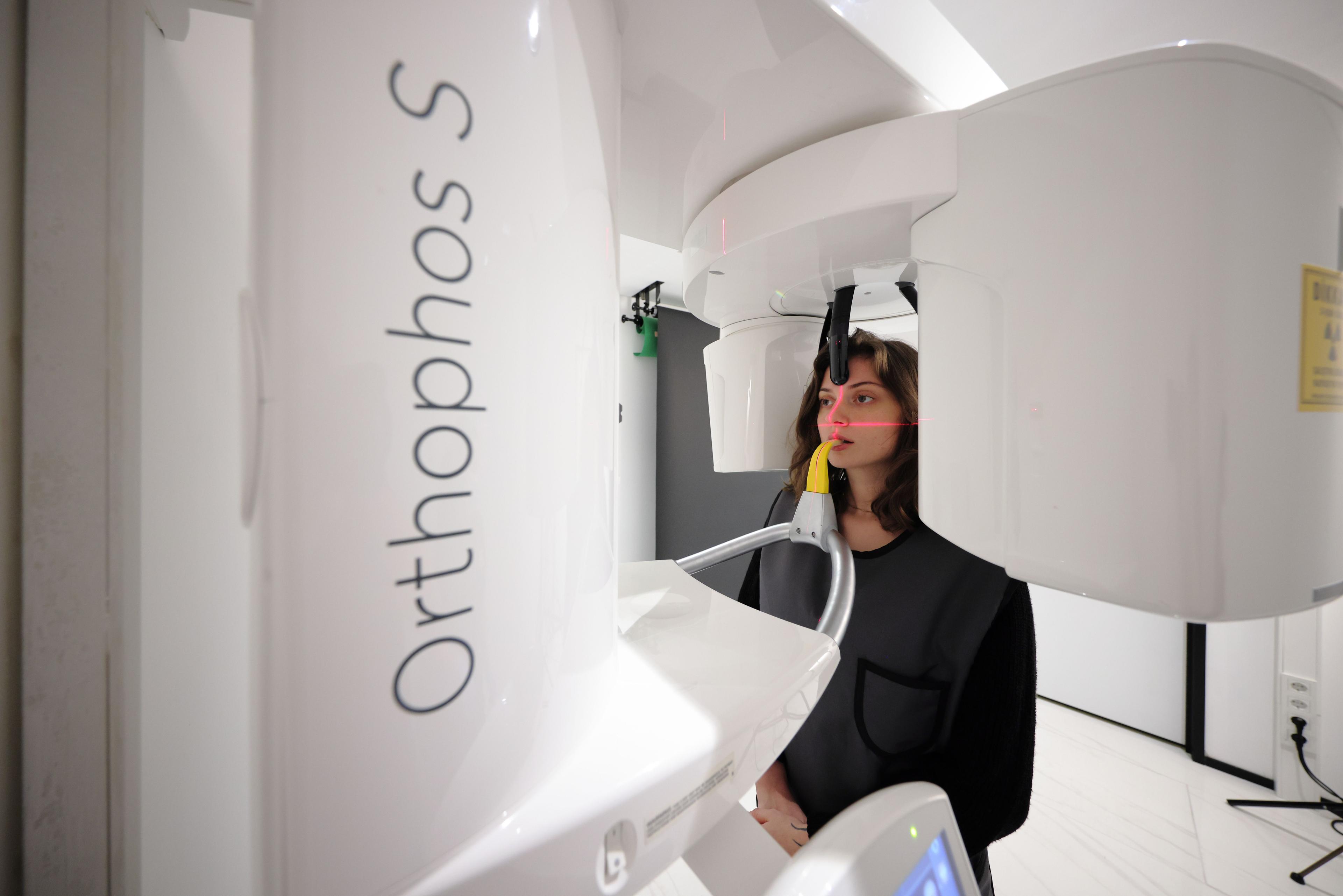
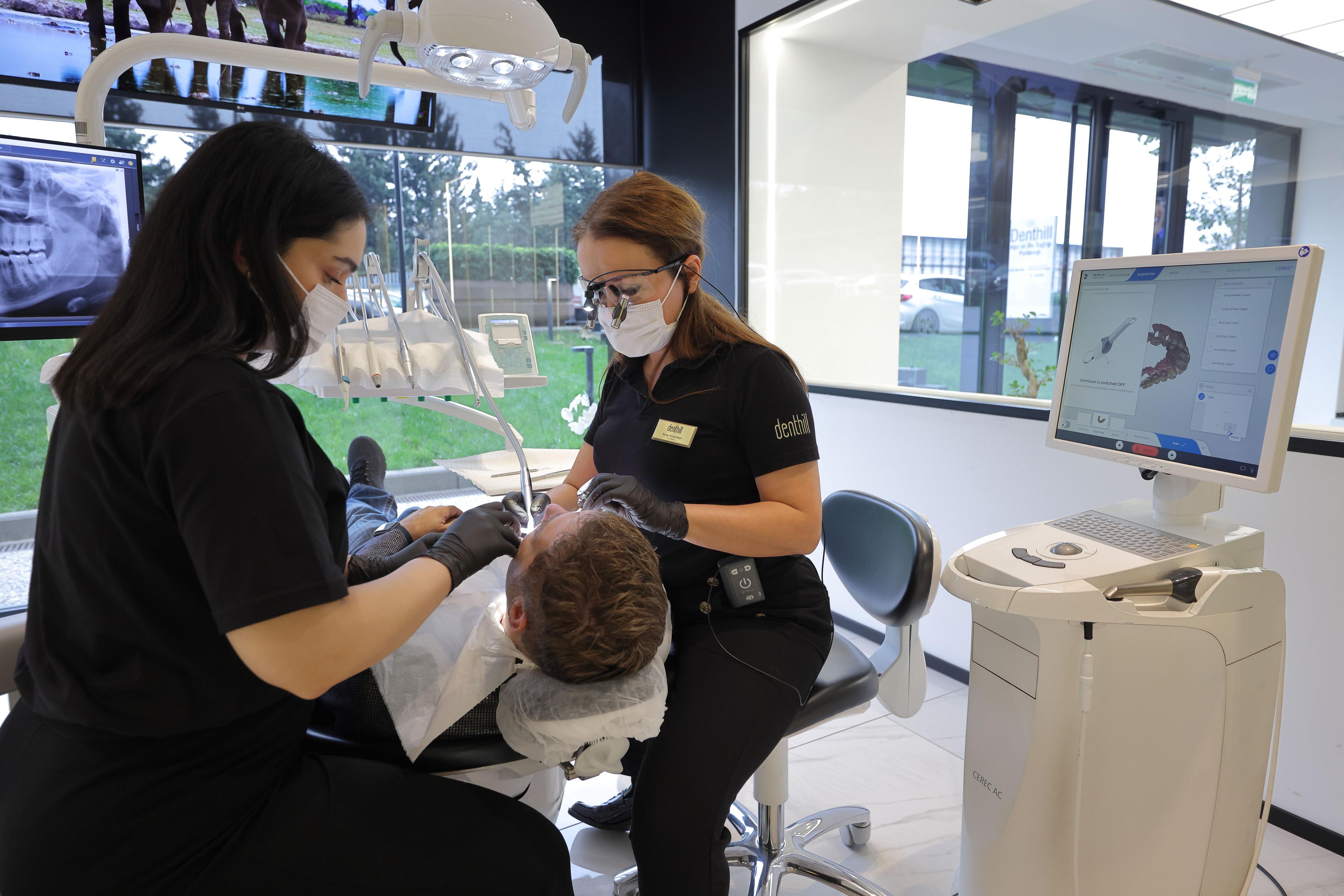
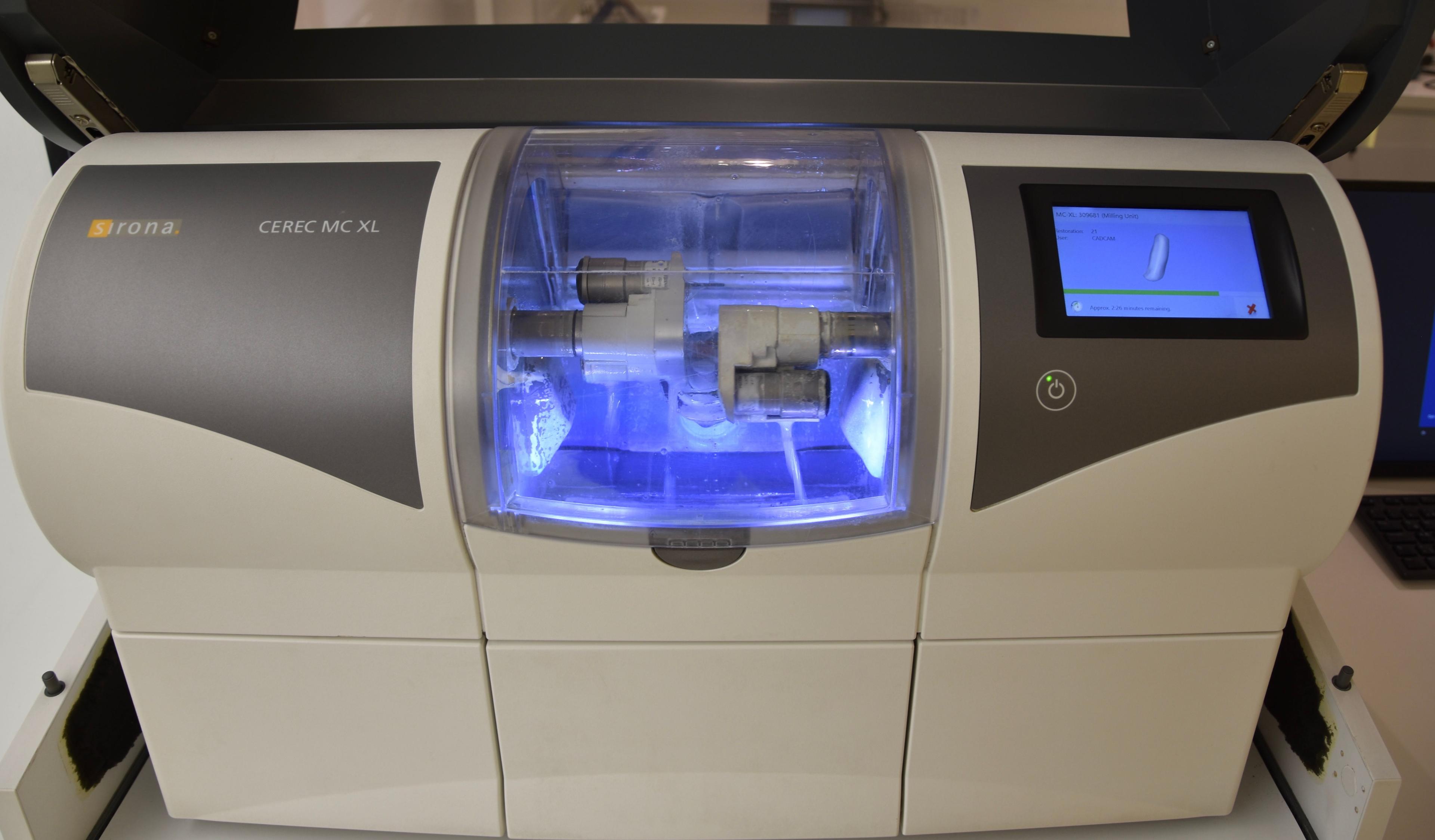
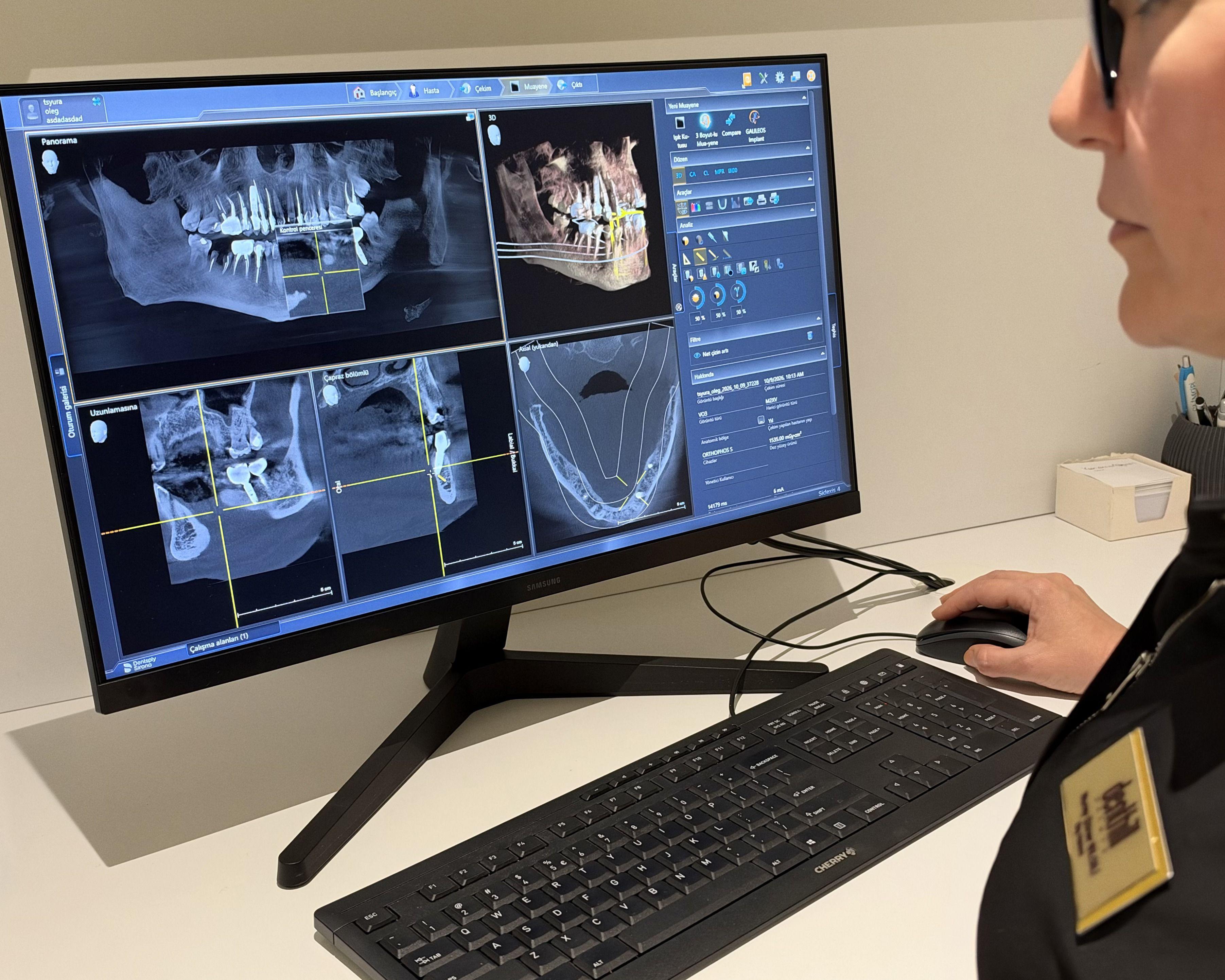
Digital tools may support selected parts of assessment, communication and restoration. They do not make treatment decisions or guarantee outcomes.
Supports information gathering and planning.
Imaging may contribute anatomical information when it is clinically indicated and interpreted alongside examination findings.
Understand its roleSupports communication across the workflow.
Selected digital records can support communication between assessment, planning and restorative stages.
Understand its roleMay support selected restoration workflows.
Digital restoration workflows may support selected final-restoration stages when appropriate to the clinical plan.
Understand its roleRelated clinicians
Profiles are selected from currently verified work-area information where available. Other profiles are shown only to review the module layout and do not indicate allocation or availability.
Frequently asked questions
General answers to common planning questions. More than one answer can remain open while you compare information.
Early preventive visits are recommended. The appropriate timing can be discussed with a local dental professional.
Related treatments
Continue with other treatment information that may be relevant during assessment and planning.
Information about replacing missing teeth through clinically assessed implant planning.
View Treatment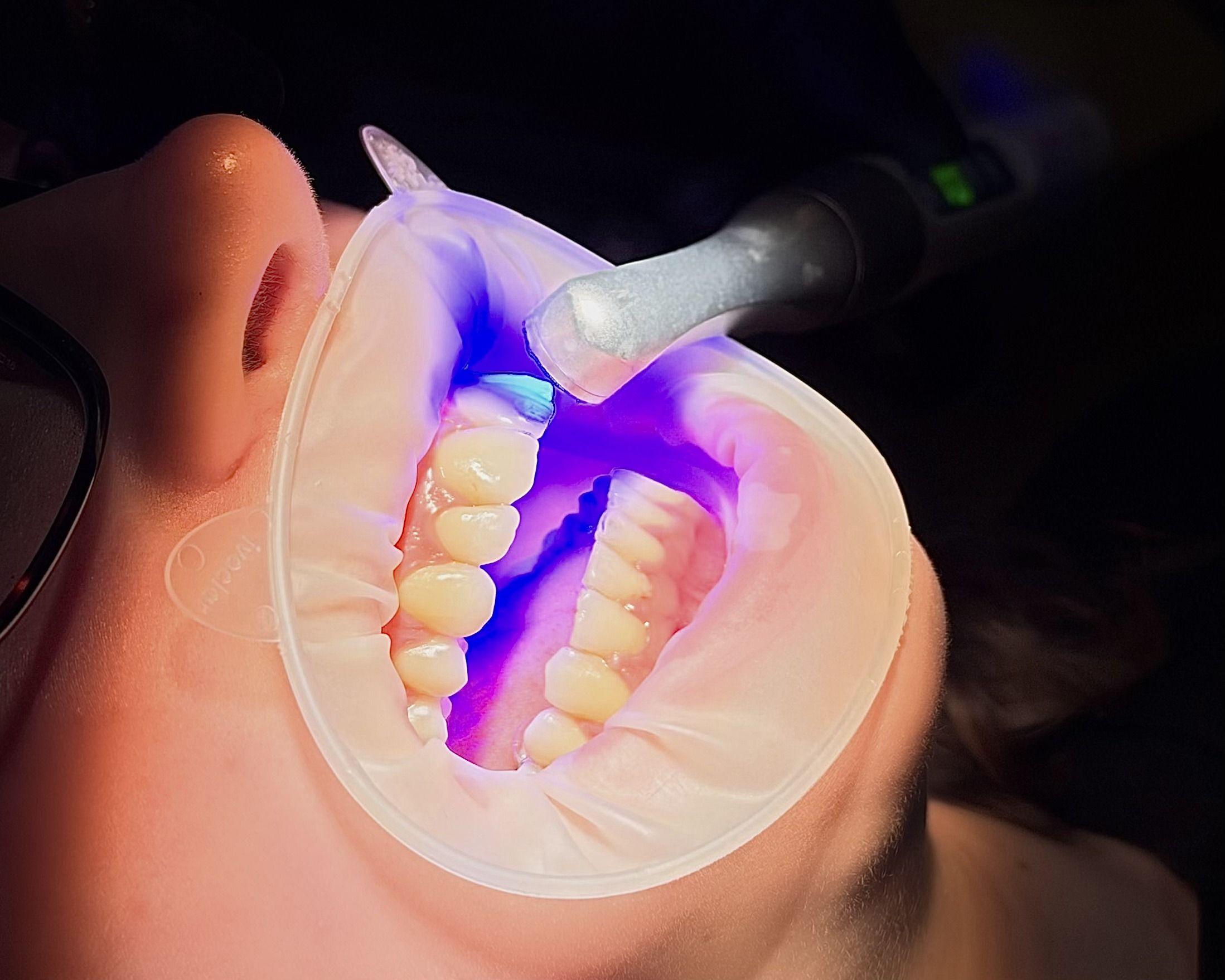
Options intended to restore the function and structure of damaged teeth.
View Treatment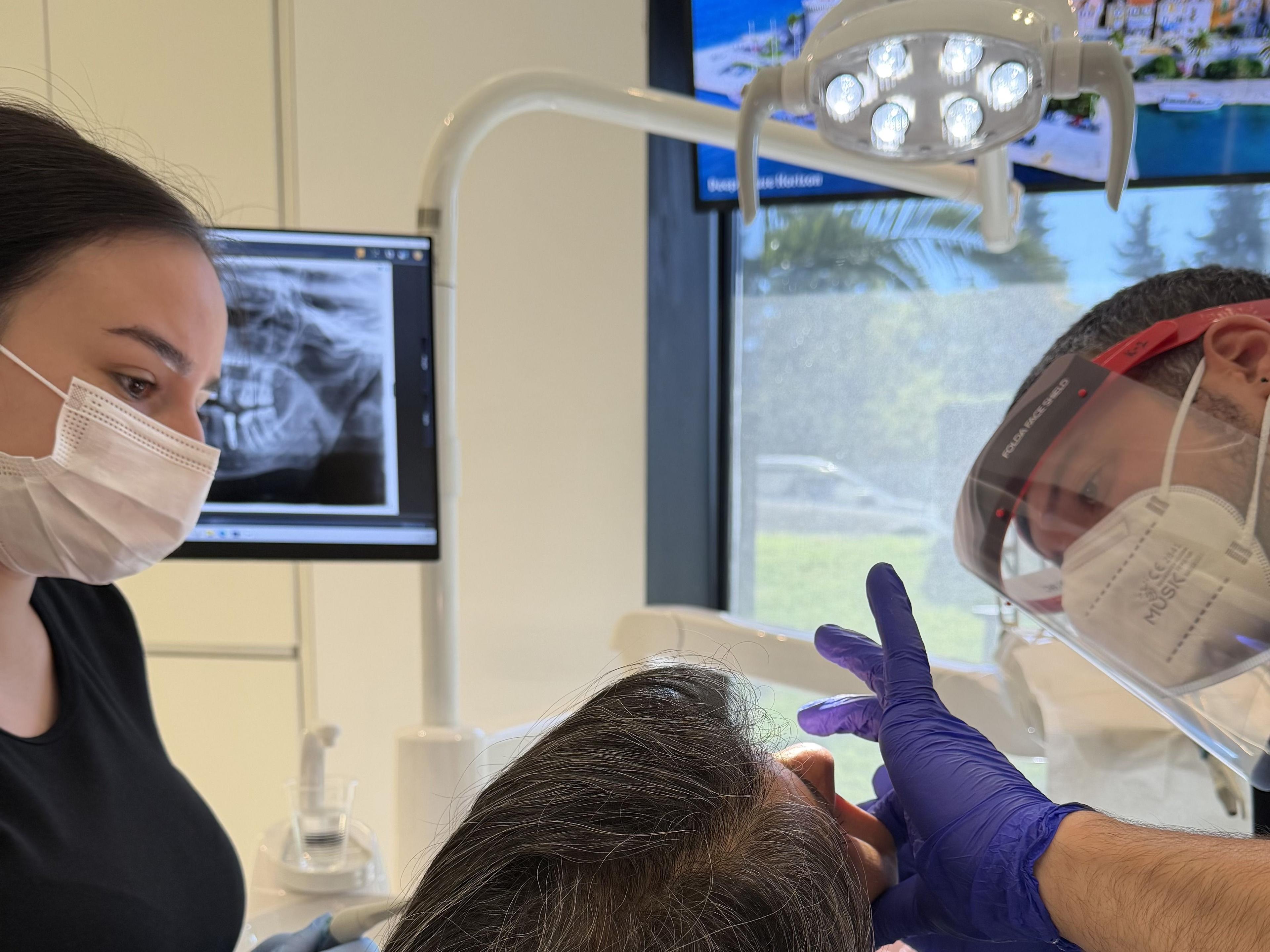
Planned solutions for restoring teeth, function and oral comfort.
View TreatmentNext step
Path A
Request an appointment for a clinical examination and treatment discussion.
Book an AppointmentPath B
Share relevant information and optional media before planning your visit.
A preliminary assessment is not a diagnosis, confirmed treatment plan or final quotation.
Free Preliminary AssessmentThis review draft provides general information and does not replace a dental examination or personal treatment plan.
This content does not replace medical advice from a doctor.