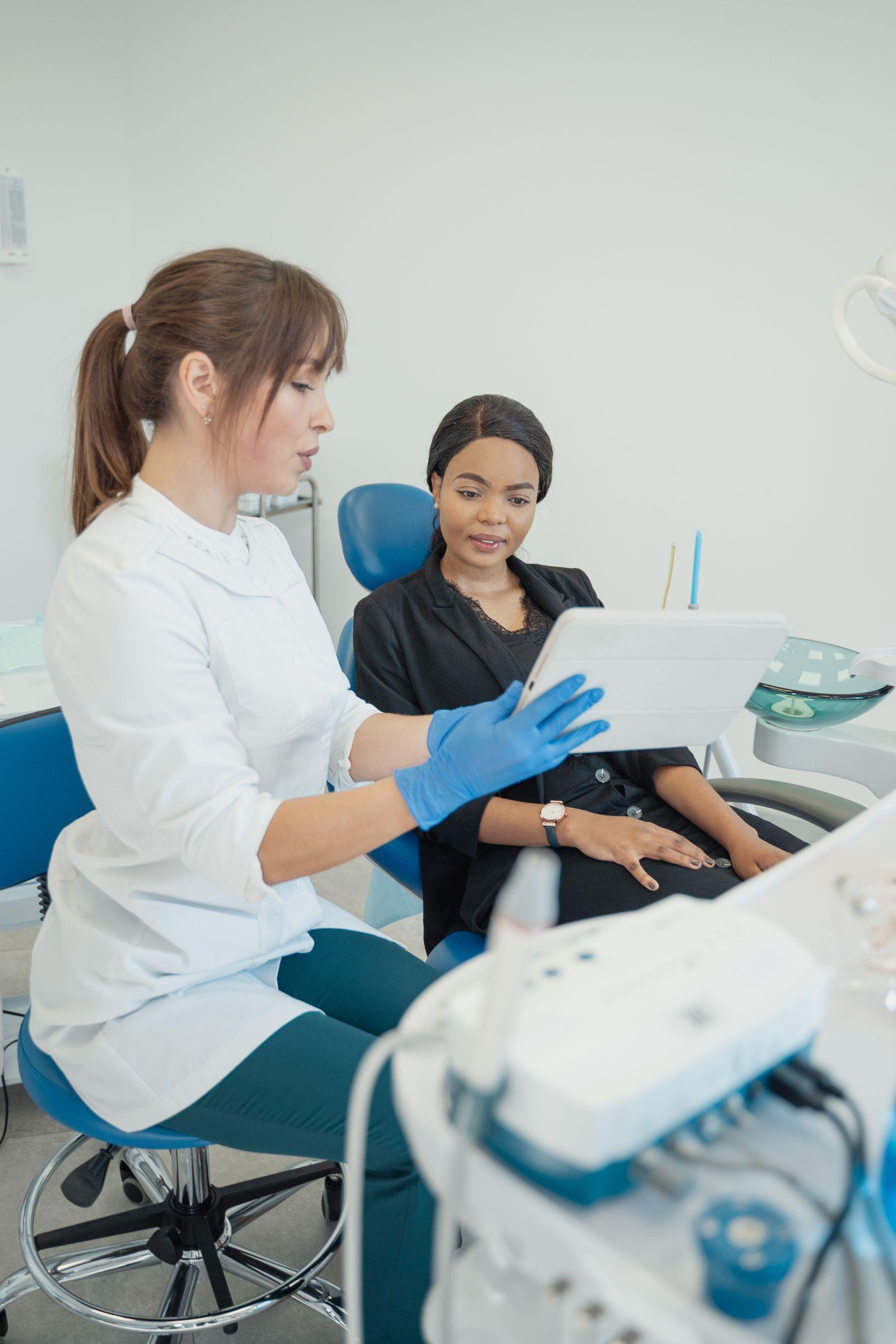
An assessment brings together your concerns, relevant medical and dental history and a clinical examination. Your dentist may discuss imaging or other records where they are needed. Ask what each investigation is intended to clarify, which options may be considered and what further information is needed before a treatment decision. A photograph or an online description alone cannot establish a final diagnosis.
Start with the purpose of each option: what is it intended to address, and what alternatives could be considered? Discuss the stages, limitations, material risks and maintenance responsibilities with your dentist. Different options can involve different appointments and follow-up needs. A clear written plan helps you return to these questions before making a decision.
Tell your dental professional about changes you have noticed, such as bleeding during cleaning or discomfort. These observations can help guide a clinical examination, but do not identify a diagnosis on their own. Ask how the supporting tissues are assessed, what the findings mean for your care and how any recommended review fits into your maintenance plan.
Help your child know that a dental visit is a chance to meet the team and ask questions. Bring information about relevant health conditions, medicines and previous dental experiences. Share any concerns about comfort or communication in advance. The treating clinician can explain age-appropriate assessment and care; browsing a guide cannot determine what treatment a child needs.
A dental visit abroad brings clinical decisions and practical arrangements together. Start with the international patient journey to understand preliminary assessment, planning, travel responsibilities and follow-up.