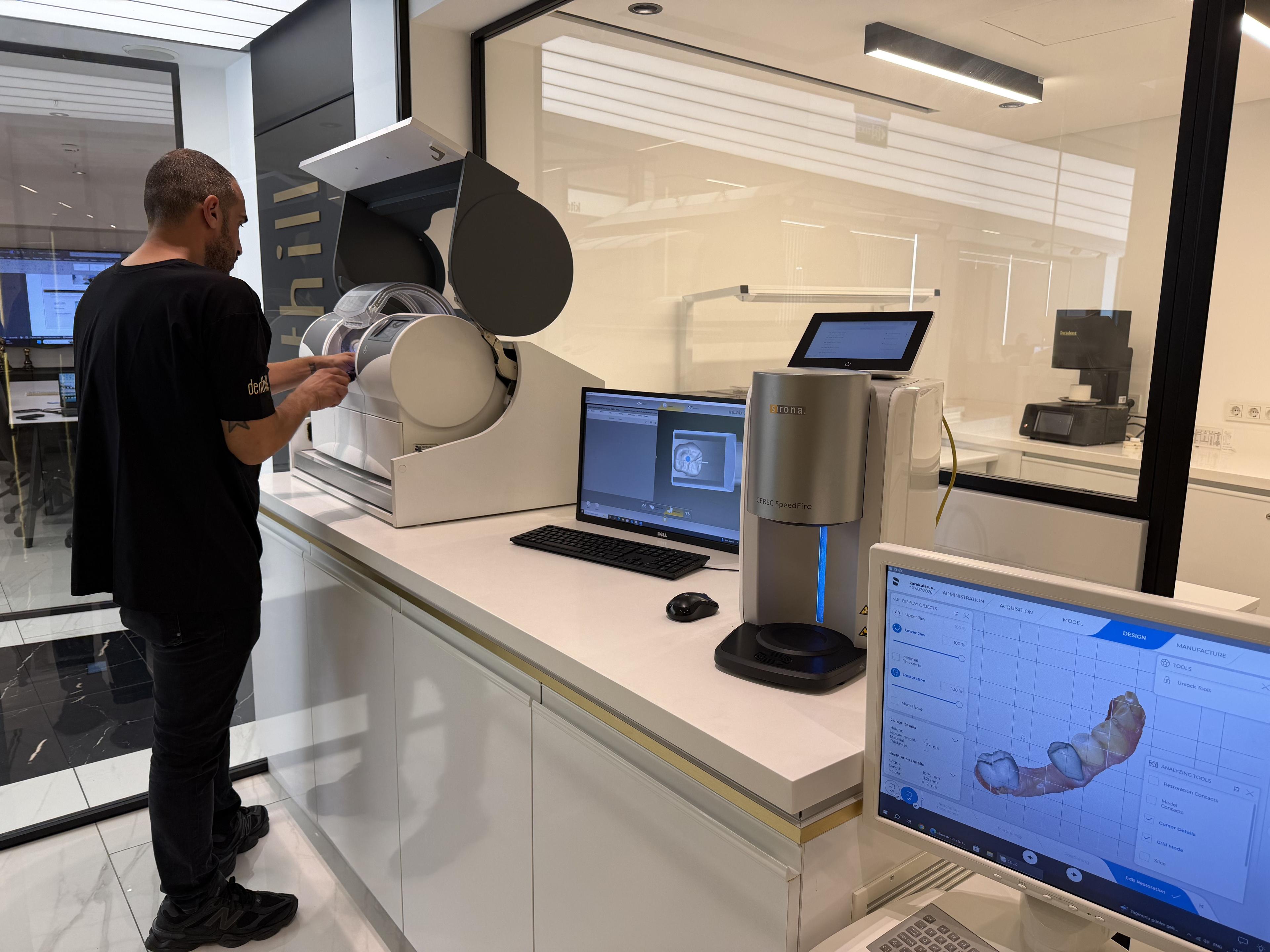
Supports information gathering and planning.
3D Imaging and Planning
Imaging may contribute anatomical information when it is clinically indicated and interpreted alongside examination findings.
Understand its role

Language
Treatment Information
Dental implants are placed in the jaw to support a dental restoration such as a crown, bridge or denture. Whether implant treatment may be considered depends on individual oral and general health factors and requires clinical assessment.
This page provides general information and does not replace a dental examination or personal treatment plan.
Chat on WhatsApp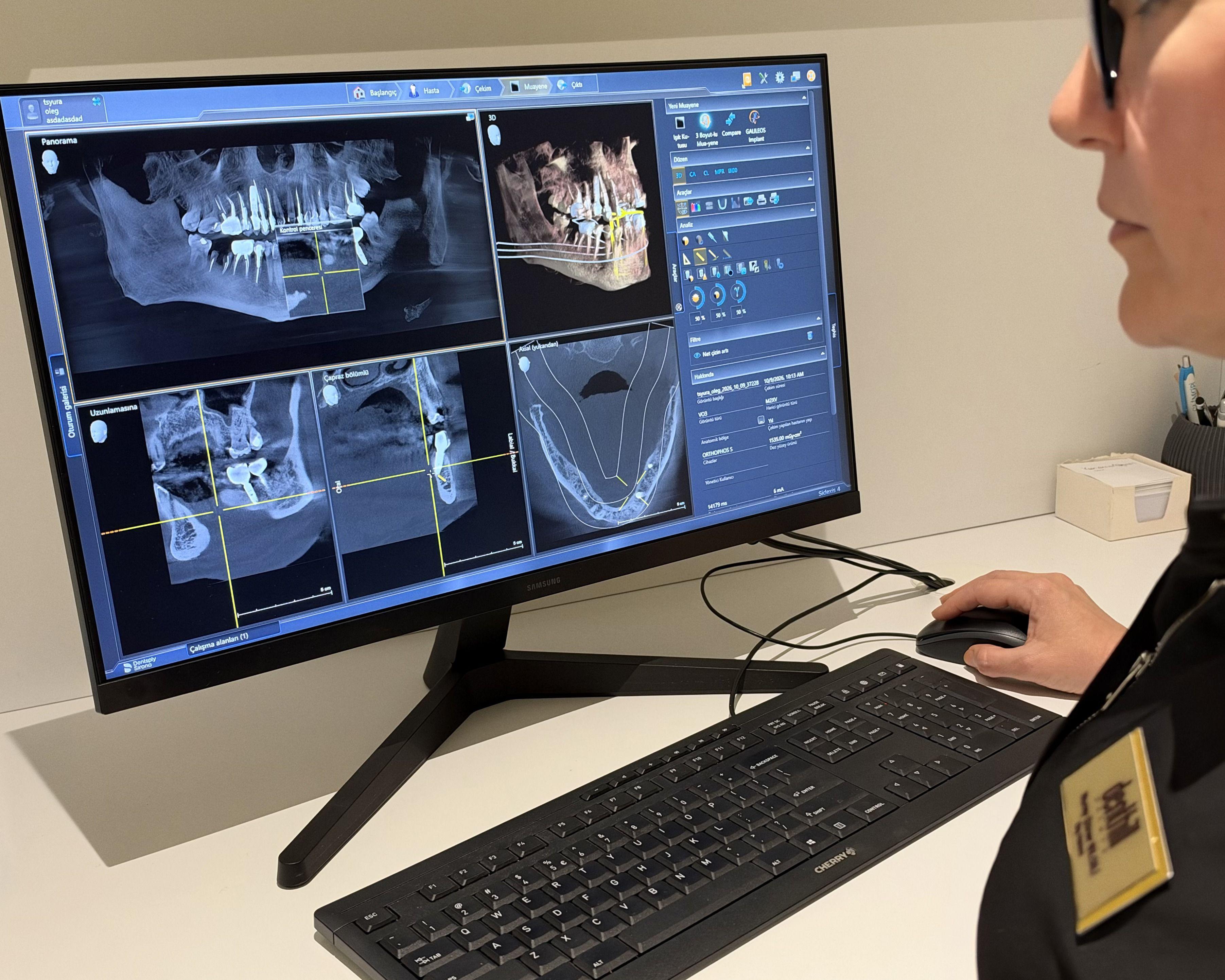
Overview
An implant is one part of a planned restorative system. The implant body, connector and visible restoration have different roles.
The implant body is the component placed in the jaw. Its position and use depend on clinical and imaging findings.
A connector can form the link between the implant body and the restoration planned above it.
A crown, bridge or selected denture design may be connected to the implant system according to the restorative plan.
These examples describe common treatment contexts. They do not determine whether dental implants are suitable for an individual patient.
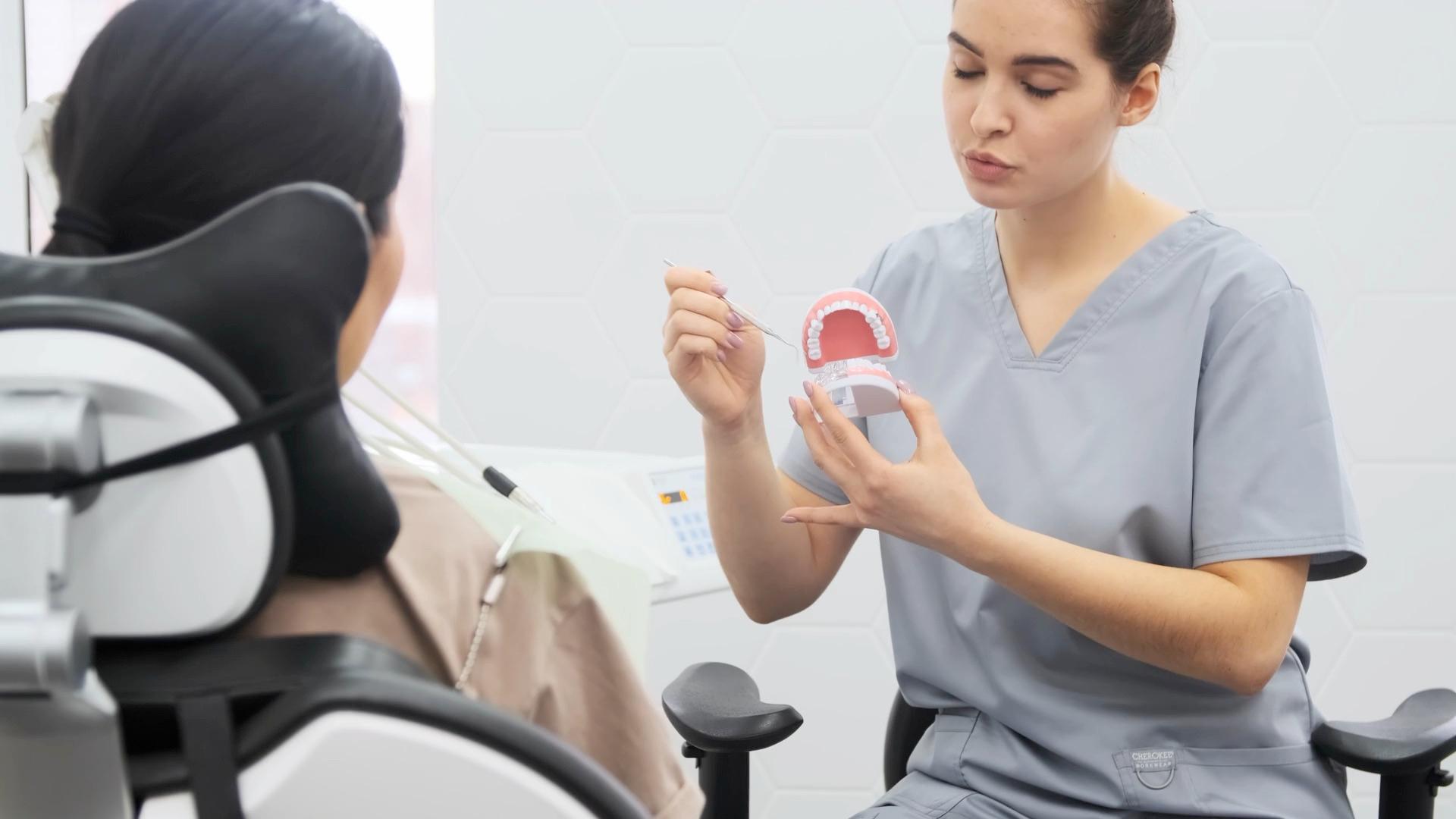

An implant-supported crown may be one option discussed after the surrounding teeth, tissues and available space are assessed.
Implants may be considered as part of a plan supporting a restoration across more than one missing-tooth space.
Selected bridge or removable-denture designs may use implants for support, depending on the individual clinical situation.
Assessment & suitability
Planning draws on several sources of information and remains clinician-led. This list is explanatory, not an eligibility checklist.
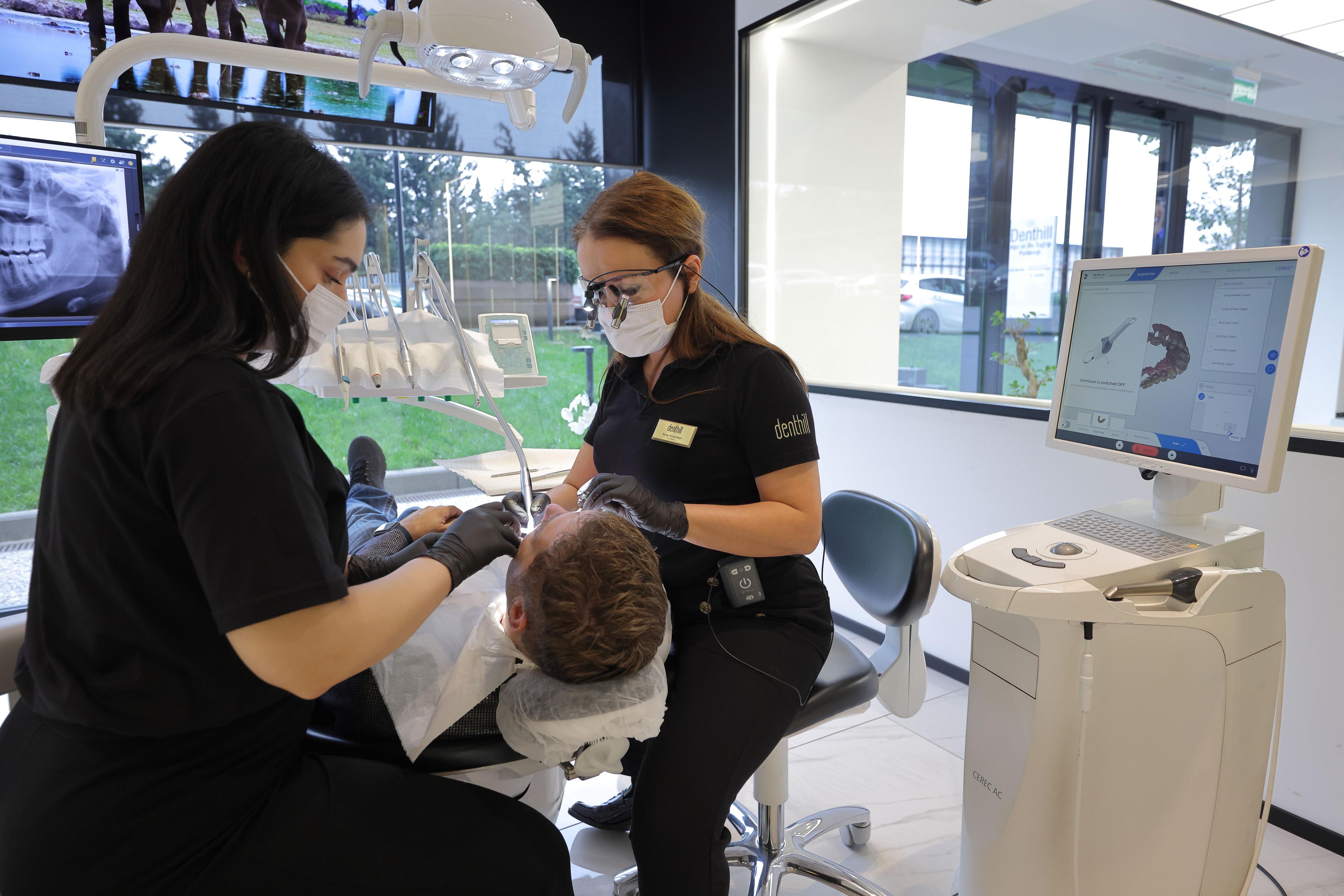
Dental and medical history, medicines and healing-related factors.
Current tooth, gum and wider oral-health findings.
Clinical examination of the relevant area and the way the teeth function together.
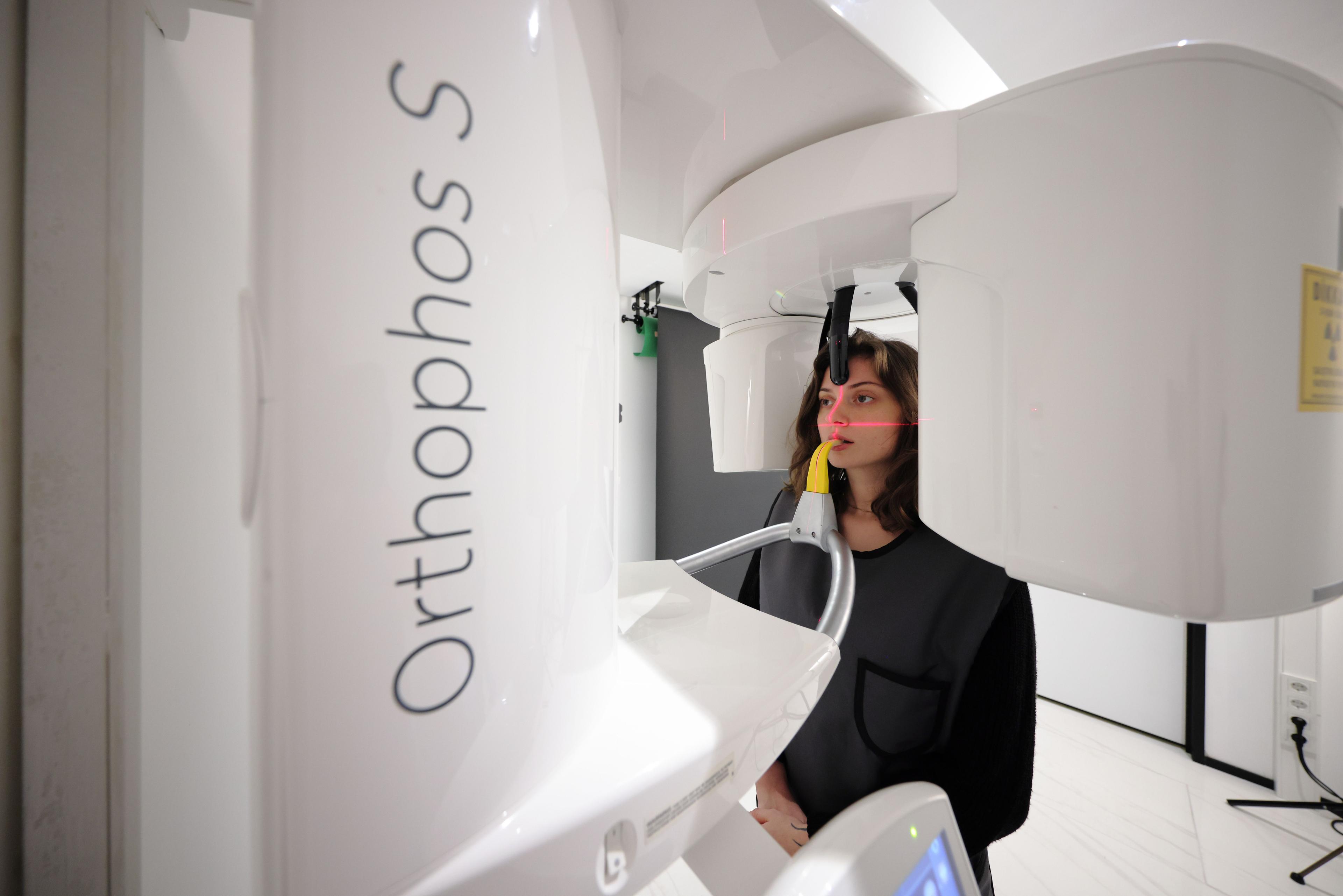
Imaging when clinically indicated and interpreted in the wider assessment.
Bone and soft-tissue conditions relevant to planning and healing.
Possible restoration types, alternatives, stages, follow-up and associated costs.
Treatment process
This is an informational sequence. It does not represent a live progress tracker or imply five appointments.
History, examination and any clinically indicated records are considered before options and limitations are discussed.
Oral health or supporting tissues may need attention first. This stage is not required in every treatment plan.
The implant body is placed according to the agreed clinical plan, followed by individual instructions and review arrangements.
Healing is monitored clinically. The interval and number of reviews vary with the treatment and individual response.
The planned crown, bridge or selected denture component is completed and reviewed as part of the restorative stage.
Timing and healing
Stage timing, healing, visit count and overall duration are related, but they are not interchangeable. No universal timeframe applies.
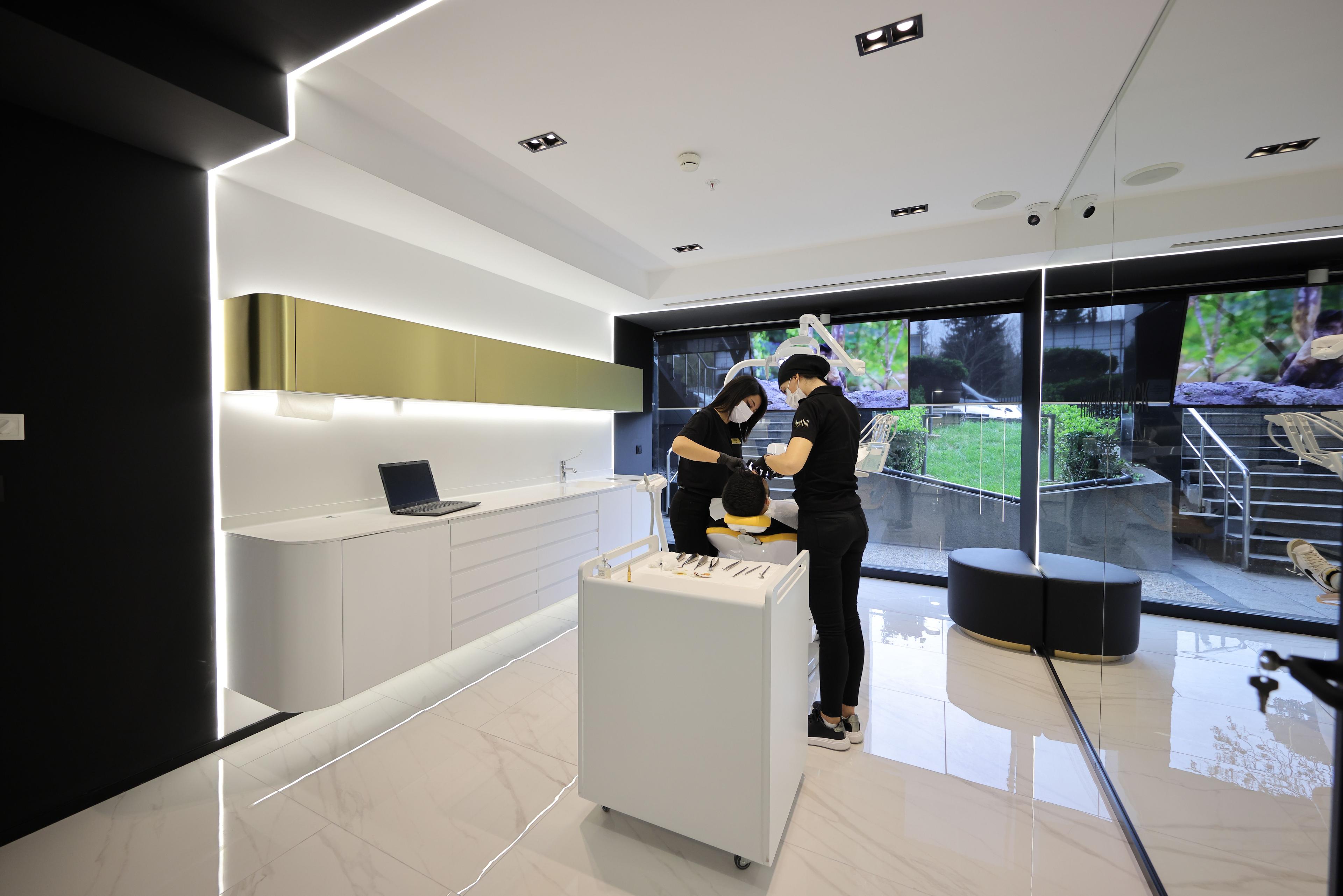

The time needed for each clinical stage can differ.
Healing is assessed individually rather than assumed from a universal schedule.
Five information stages do not mean five appointments.
The complete plan depends on the stages and reviews that are actually required.
Review access and travel planning may affect how appointments are coordinated.
A clinician considers these factors together. Browsing them does not produce a score, diagnosis or treatment recommendation.
Existing conditions and active care needs are assessed first.
Relevant health conditions can influence planning and healing.
Medication and relevant medical or dental history form part of assessment.
Clinical and imaging findings are considered where appropriate.
These factors may affect treatment planning and long-term maintenance.
Bite, function and the proposed restoration need to be considered together.
The ability to attend review and ongoing maintenance is part of planning.
Alternatives
Different approaches may be discussed with equal clinical consideration. The relevant option depends on individual findings and priorities.

A bridge may replace a missing tooth or teeth using a design supported by adjacent teeth or other structures.
A removable option may replace one or more teeth and is planned around oral health, function and comfort.
Other restorative designs may be discussed according to the clinical and functional situation.
In selected situations, monitoring without immediate replacement may be clinically appropriate.
Ongoing care
Aftercare is an ongoing responsibility, not a sixth completion stage. Personal instructions from the treating clinician take priority over general information.
Follow the instructions provided for the specific treatment stage rather than general web guidance.
Cleaning around the implant and restoration forms part of ongoing oral care.
Professional review and maintenance help clinicians monitor tissues, components and the restoration.
Use the clinic’s advised contact route if you have a concern about your own treatment.
The restoration and its components may require review, maintenance or replacement over time.
Workflow support
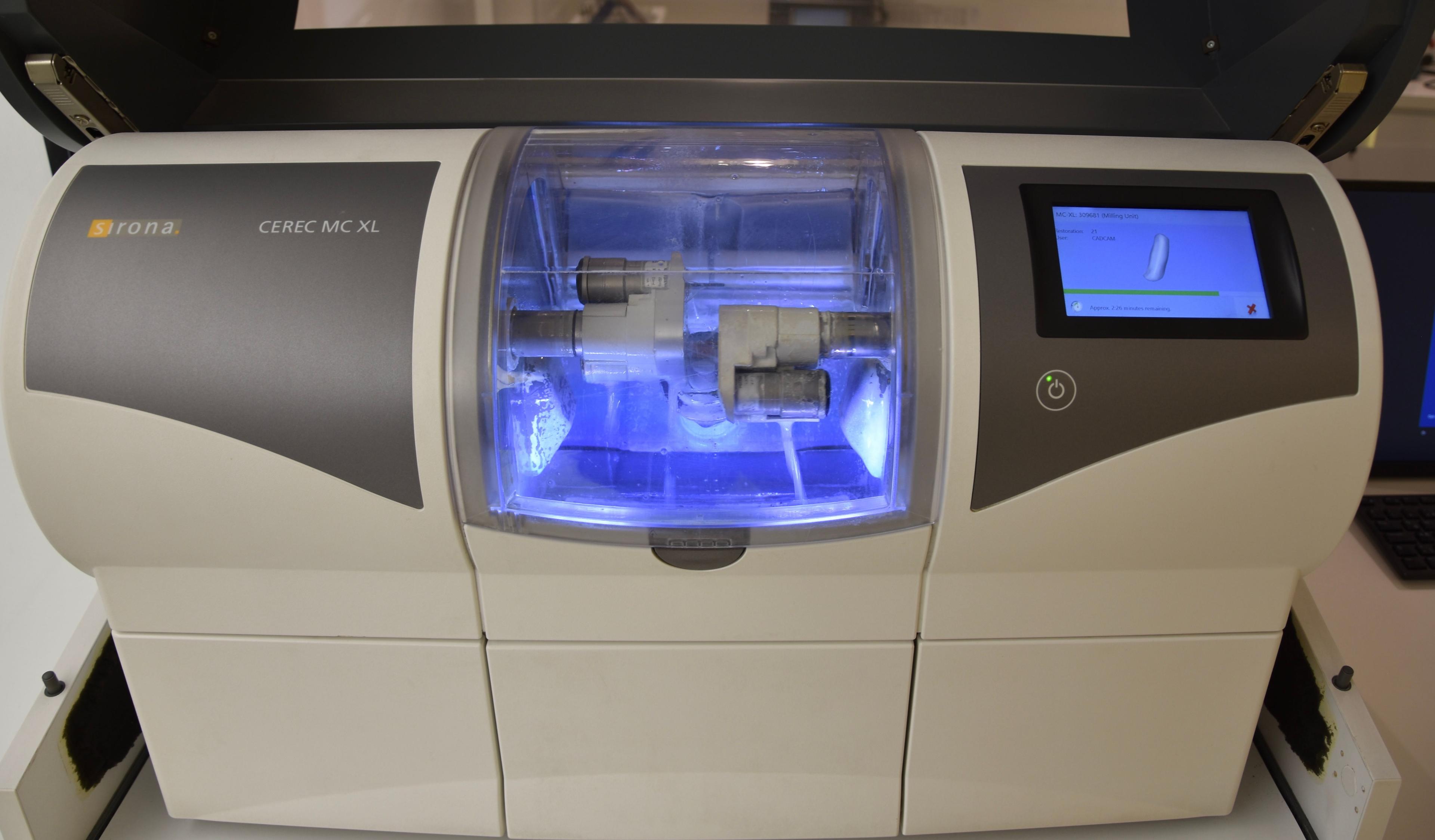
Digital tools may support selected parts of assessment, communication and restoration. They do not make treatment decisions or guarantee outcomes.
Supports information gathering and planning.
Imaging may contribute anatomical information when it is clinically indicated and interpreted alongside examination findings.
Understand its roleSupports communication across the workflow.
Selected digital records can support communication between assessment, planning and restorative stages.
Understand its roleMay support selected restoration workflows.
Digital restoration workflows may support selected final-restoration stages when appropriate to the clinical plan.
Understand its roleRelated clinicians
These clinicians are shown from the current verified team data because their published work areas include implant surgery or implant-supported restoration. Display does not guarantee appointment availability.

Oral and Maxillofacial Surgeon

Oral and Maxillofacial Surgeon

Oral and Maxillofacial Surgeon
Frequently asked questions
General answers to common planning questions. More than one answer can remain open while you compare information.
The five stages on this page explain the general information model. The stages, procedures and appointments included in an individual plan can differ after assessment.
Related treatments
These pages have approved content relationships to implant planning and use the same published treatment collection as the overview.
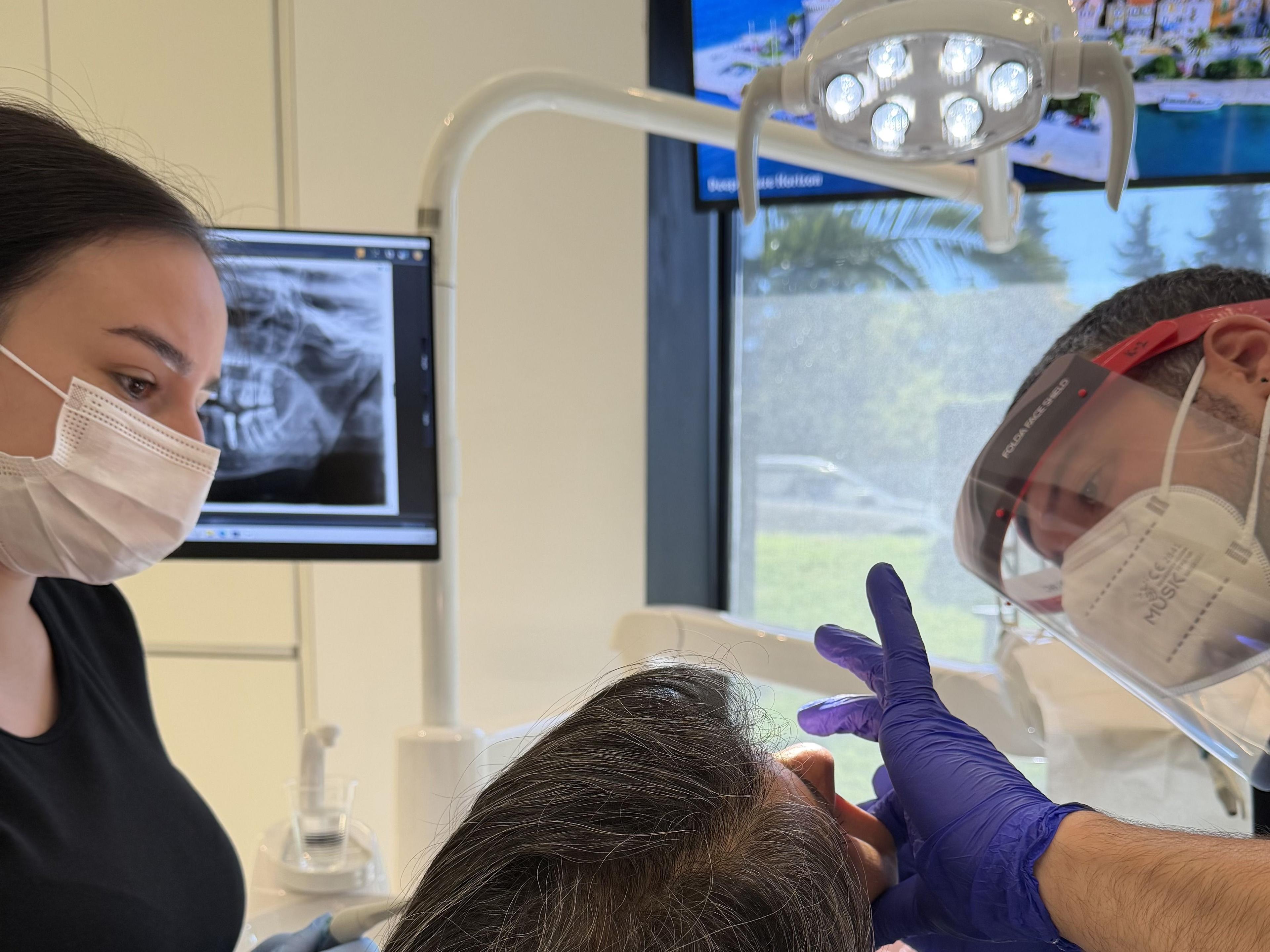
Planned solutions for restoring teeth, function and oral comfort.
View Treatment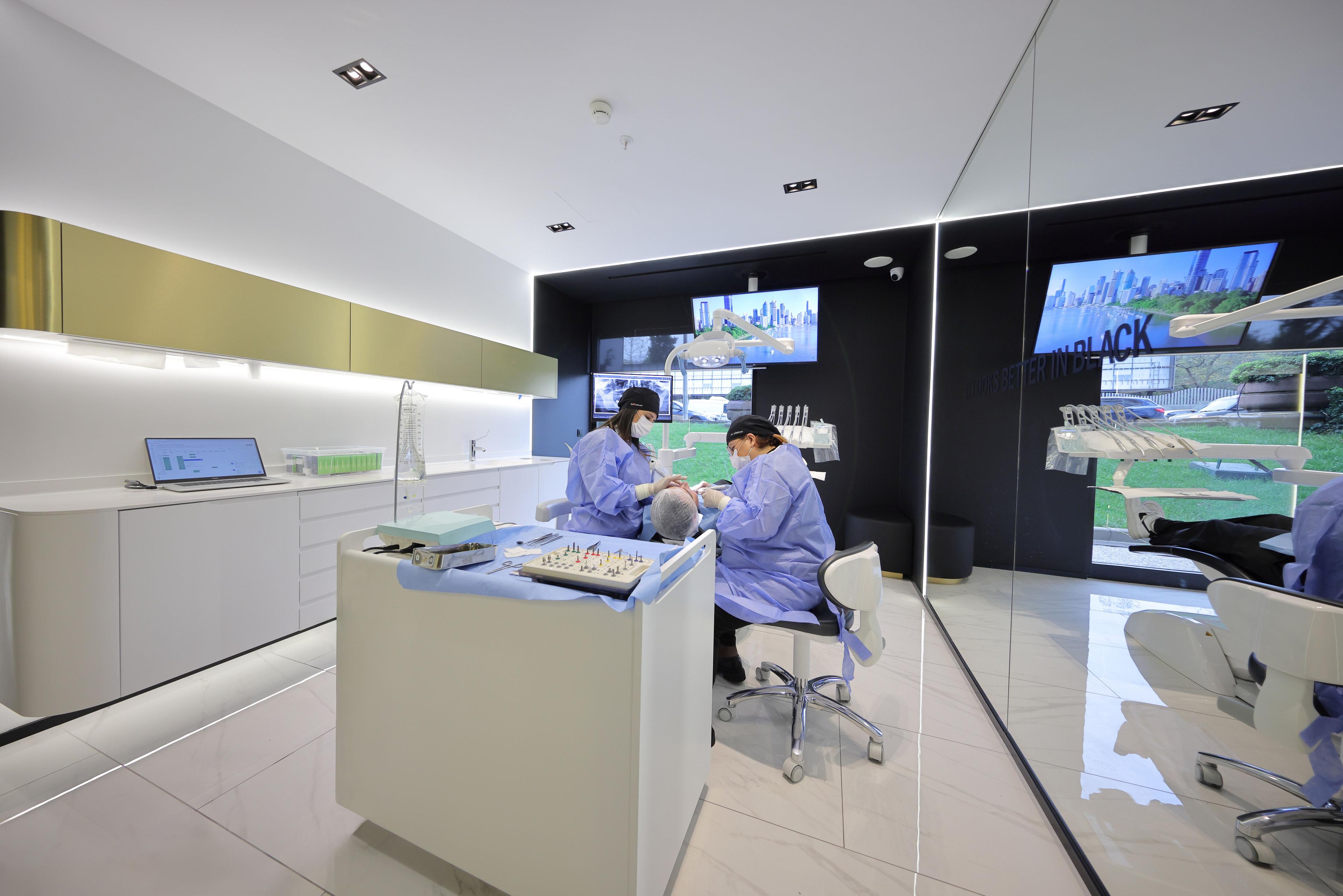
Specialist assessment information for surgical dental and jaw concerns.
View Treatment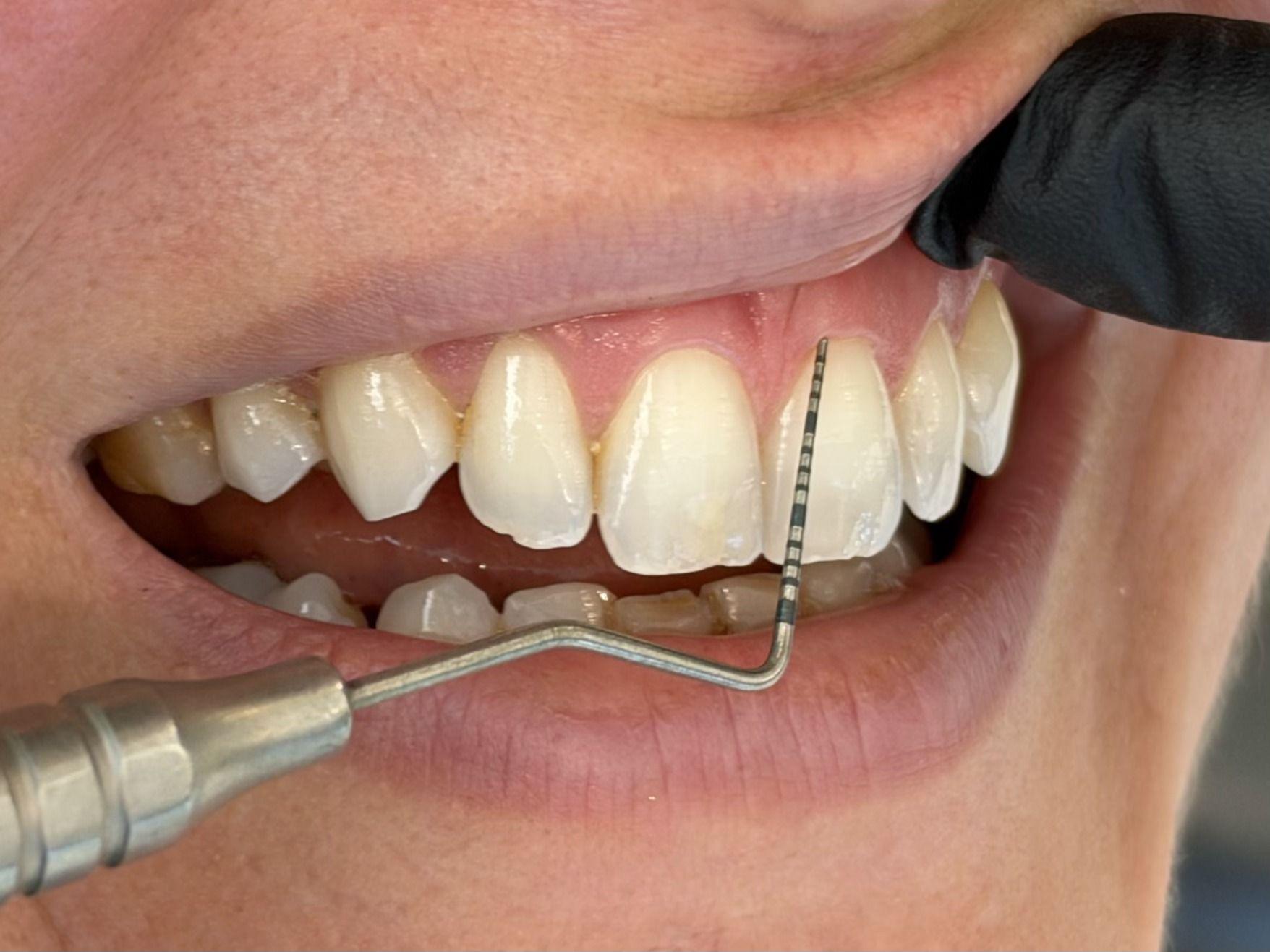
Assessment-led care information for gum health and supporting tissues.
View TreatmentNext step
Path A
Request an appointment for a clinical examination and treatment discussion.
Book an AppointmentPath B
Share relevant information and optional media before planning your visit.
A preliminary assessment is not a diagnosis, confirmed treatment plan or final quotation.
Free Preliminary AssessmentThis page provides general information and does not replace a dental examination or personal treatment plan.
This content does not replace medical advice from a doctor.