Path 01
Ready to visit the clinic
Request an appointment for an examination and a discussion of your options.
Book an Appointment

Language
Our Approach
Care planning depends on clinical findings, your individual circumstances and a discussion of the options available to you.
This page describes general principles. It does not replace a clinical examination or an individual treatment plan.
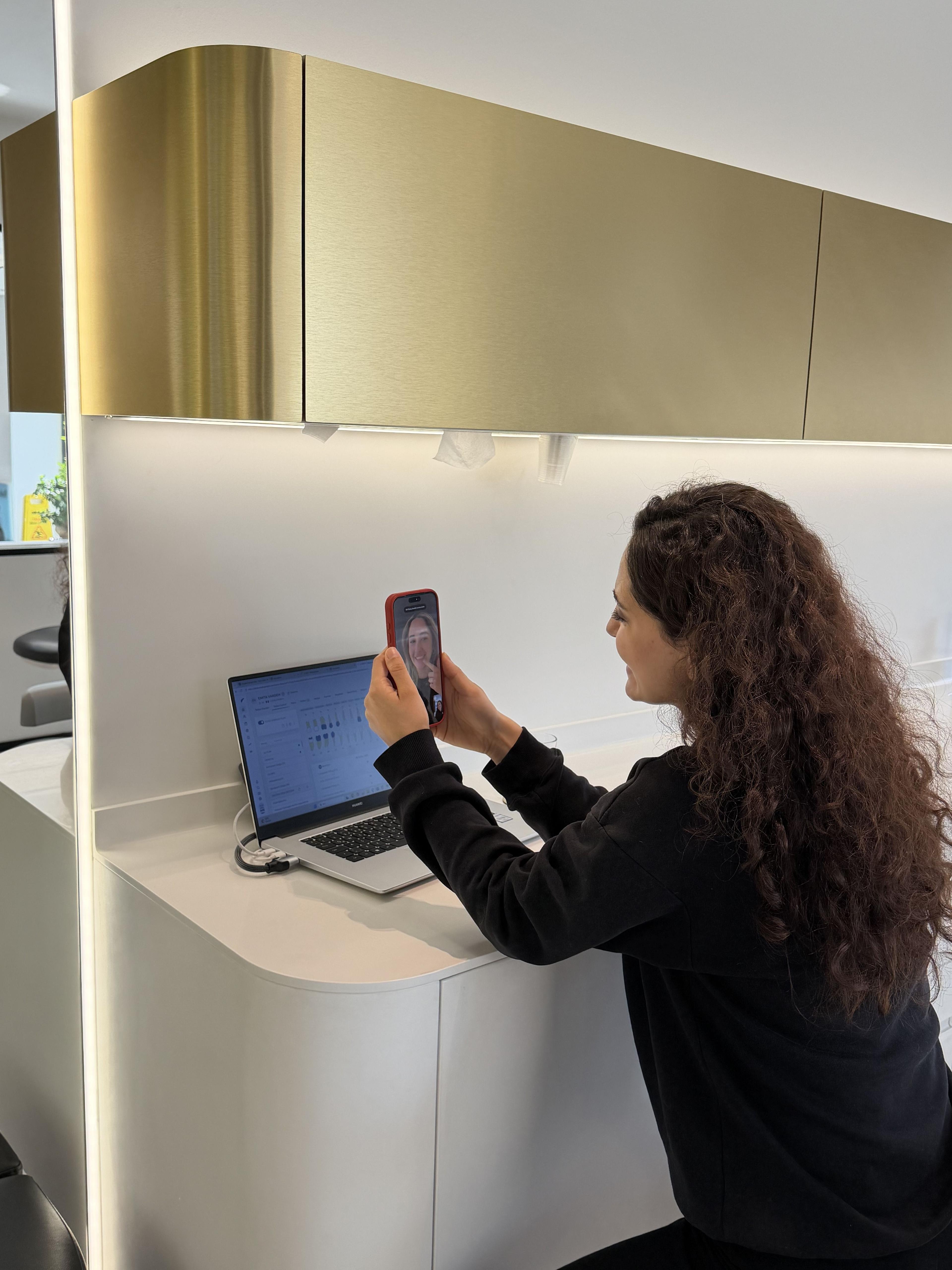
Denthill Clinic — planning a course of care.
Care Planning Framework
Five chapters describe how planning is approached. They are principles rather than a fixed protocol, and the way they apply varies from person to person.
Chapter 1 of 5
Planning starts with you: your concerns, what you hope to achieve and the dental and health information that may be relevant.
What brought you to the clinic, in your own words.
What you hope to achieve and what matters most to you.
Previous treatment, medicines and health information that may affect planning.
What this does not mean: A request for a specific treatment is a starting point for discussion, not a confirmation that it is suitable.
Chapter 2 of 5
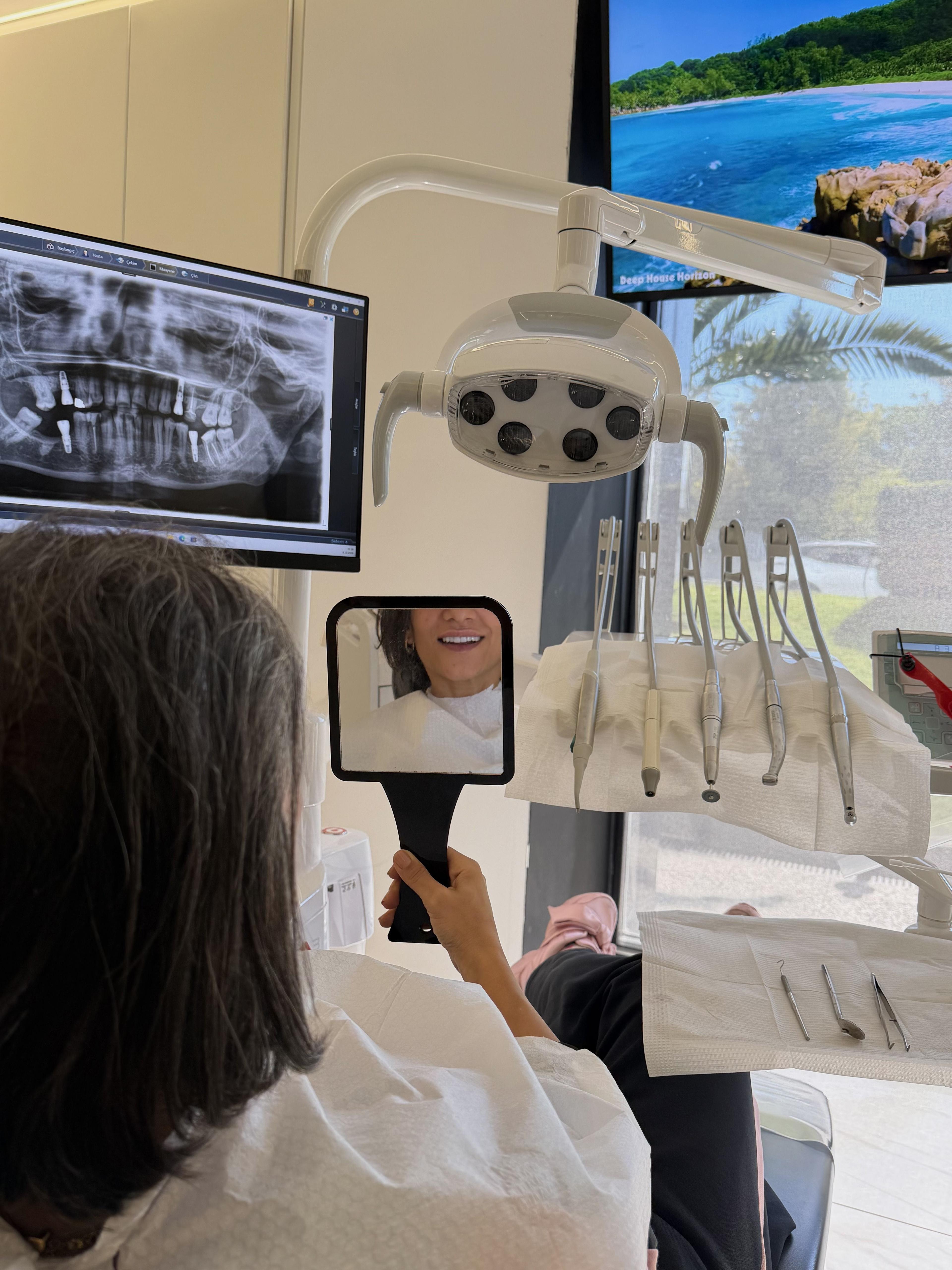
A clinical examination forms the basis of the assessment. Records or diagnostic information may be added where they are clinically relevant.
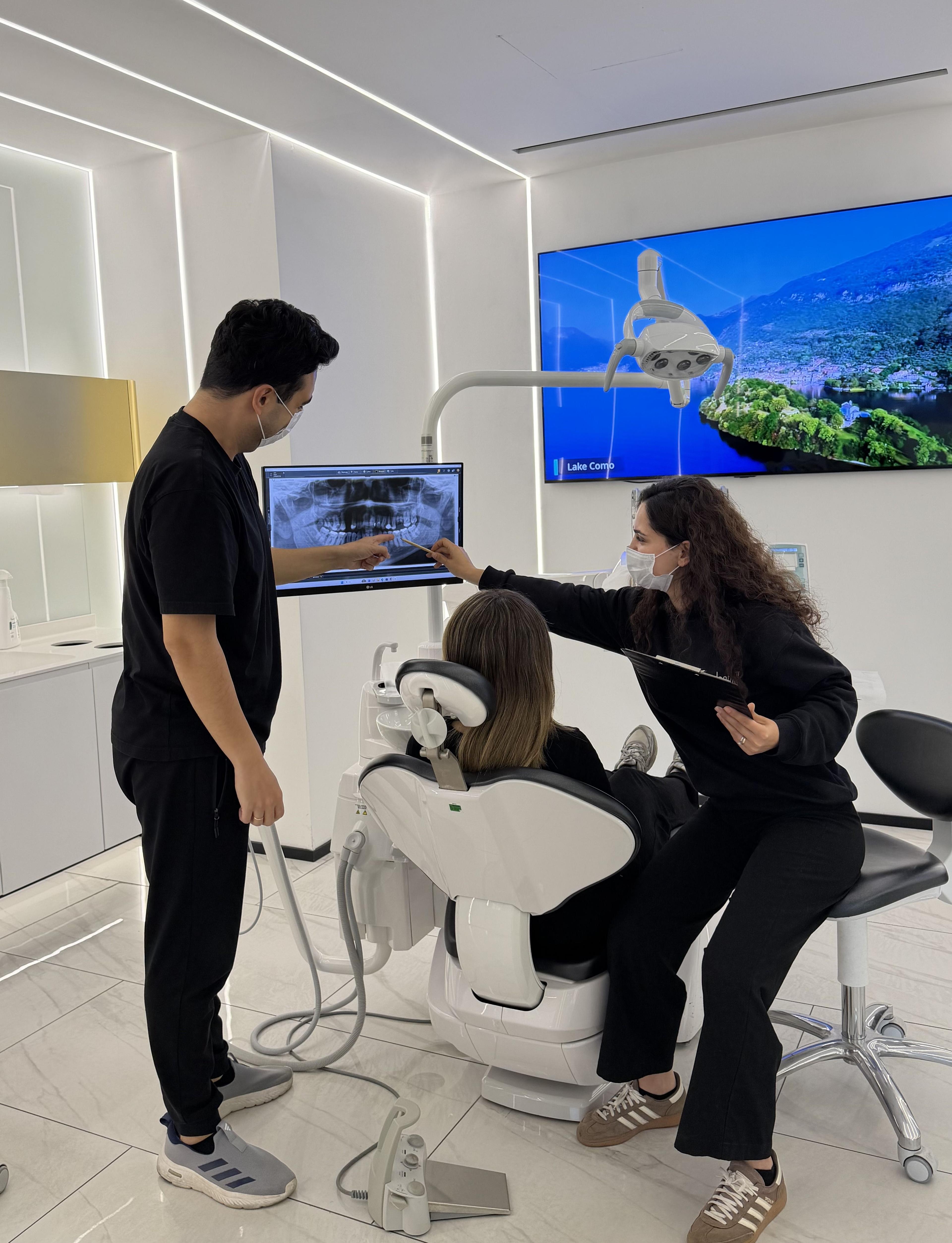
An in-person examination of the teeth, gums and bite.
Scans, photographs or models when they add useful information.
Diagnostic imaging is considered case by case, not applied by default.
What this does not mean: Not every patient needs the same imaging, scans or tests.
Chapter 3 of 5
Findings are explained in plain language, and the relevant options, alternatives and their limitations are discussed before any decision is made.
An explanation of what the assessment showed.
The approaches that may be appropriate for your situation.
What each option involves, including what it may not achieve.
What this does not mean: This website cannot tell you which option is right for you. That depends on a clinical assessment.
Chapter 4 of 5
Before care begins, the proposed scope, stages, indicative timing and associated costs are explained so that you can make an informed decision.
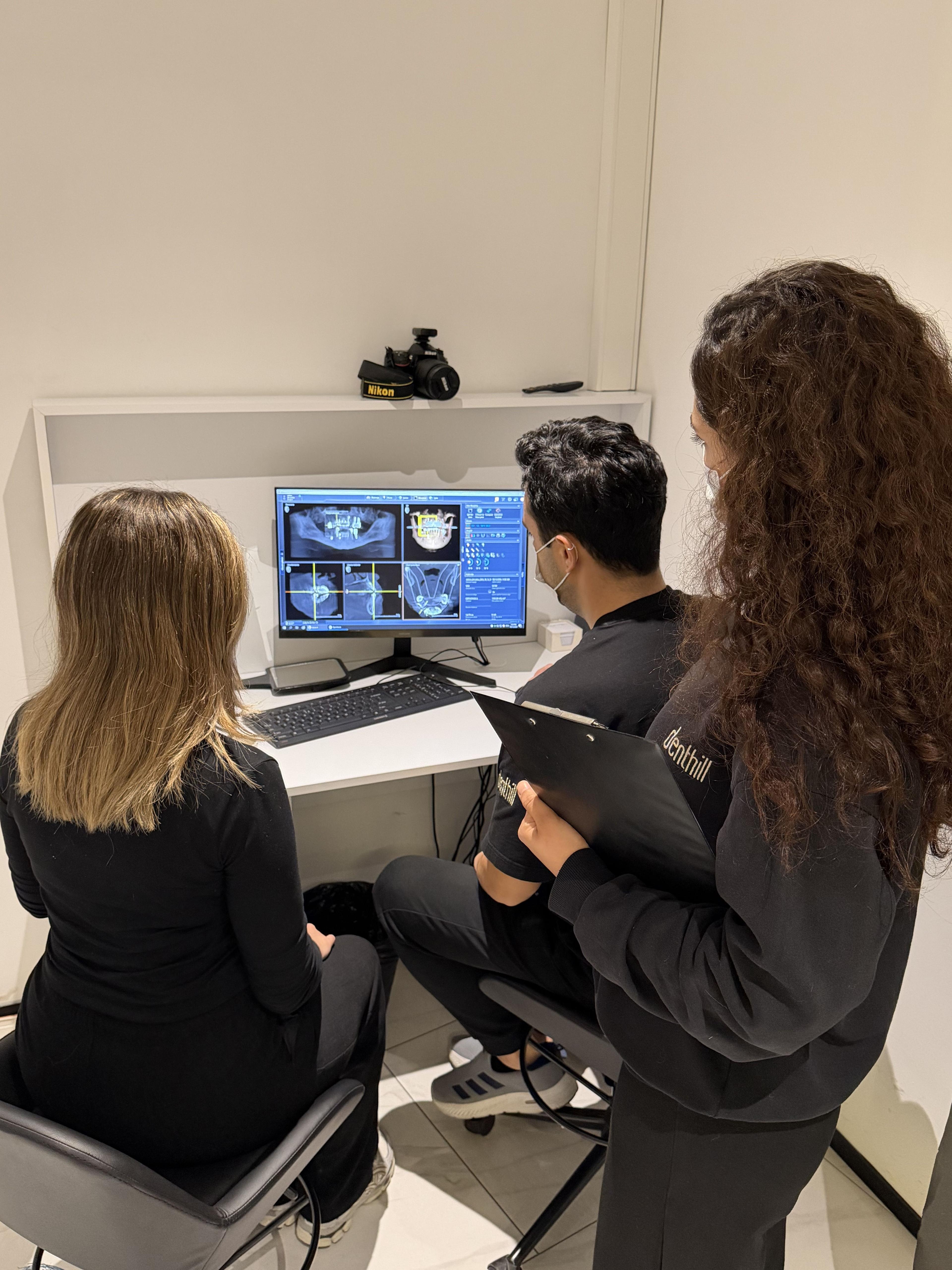
What the plan includes and how it may be staged.
An estimate that may change as care progresses.
The expected costs of the plan and what could change them.
What this does not mean: No fixed duration, fixed price or final plan is promised before an assessment.
Chapter 5 of 5
Review and maintenance depend on the treatment you receive and your individual clinical needs.
Check-ups planned where the treatment calls for them.
Guidance on caring for your teeth and any restorations.
A route to contact the clinic if questions arise after treatment.
What this does not mean: Follow-up is planned case by case. No lifetime aftercare or fixed schedule is implied.
Clarity Before Care Begins
Before care begins, these topics are intended to be discussed with you, so that decisions are made with the relevant information in view.
The assessment results, explained in plain language.
Why a particular approach is being suggested.
Other approaches that may reasonably be considered.
How the plan may be staged and roughly how long it may take.
The expected costs and the factors that could change them.
Risks, limitations or factors that may affect the outcome.
What care may be needed after treatment.
What Supports the Framework
These are not separate stages. They may come into play at different points, depending on what each situation requires.
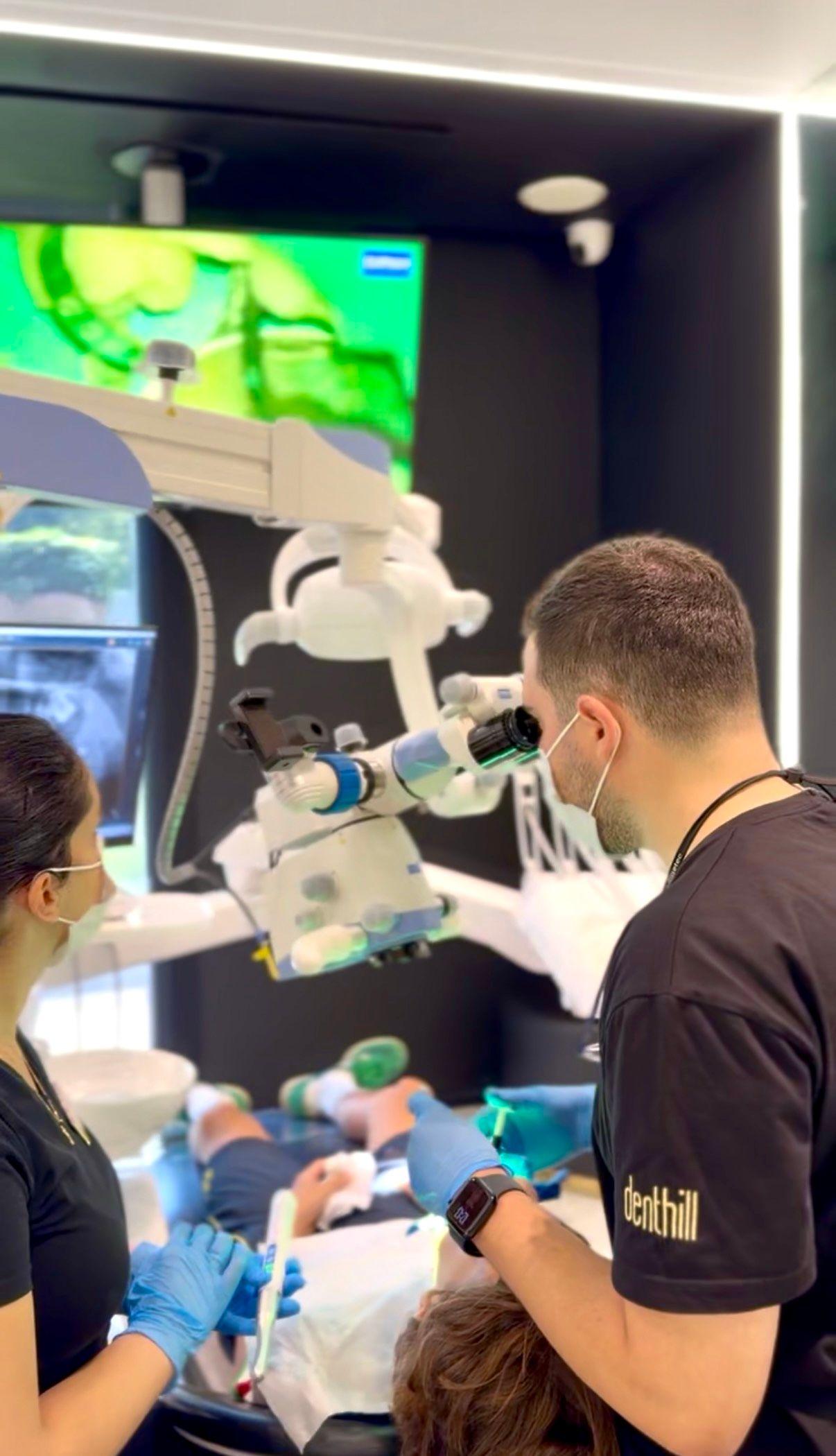
When needed
When a situation calls for more than one perspective, dentists with relevant areas of practice may be involved in planning.
Meet Our DentistsWhere relevant
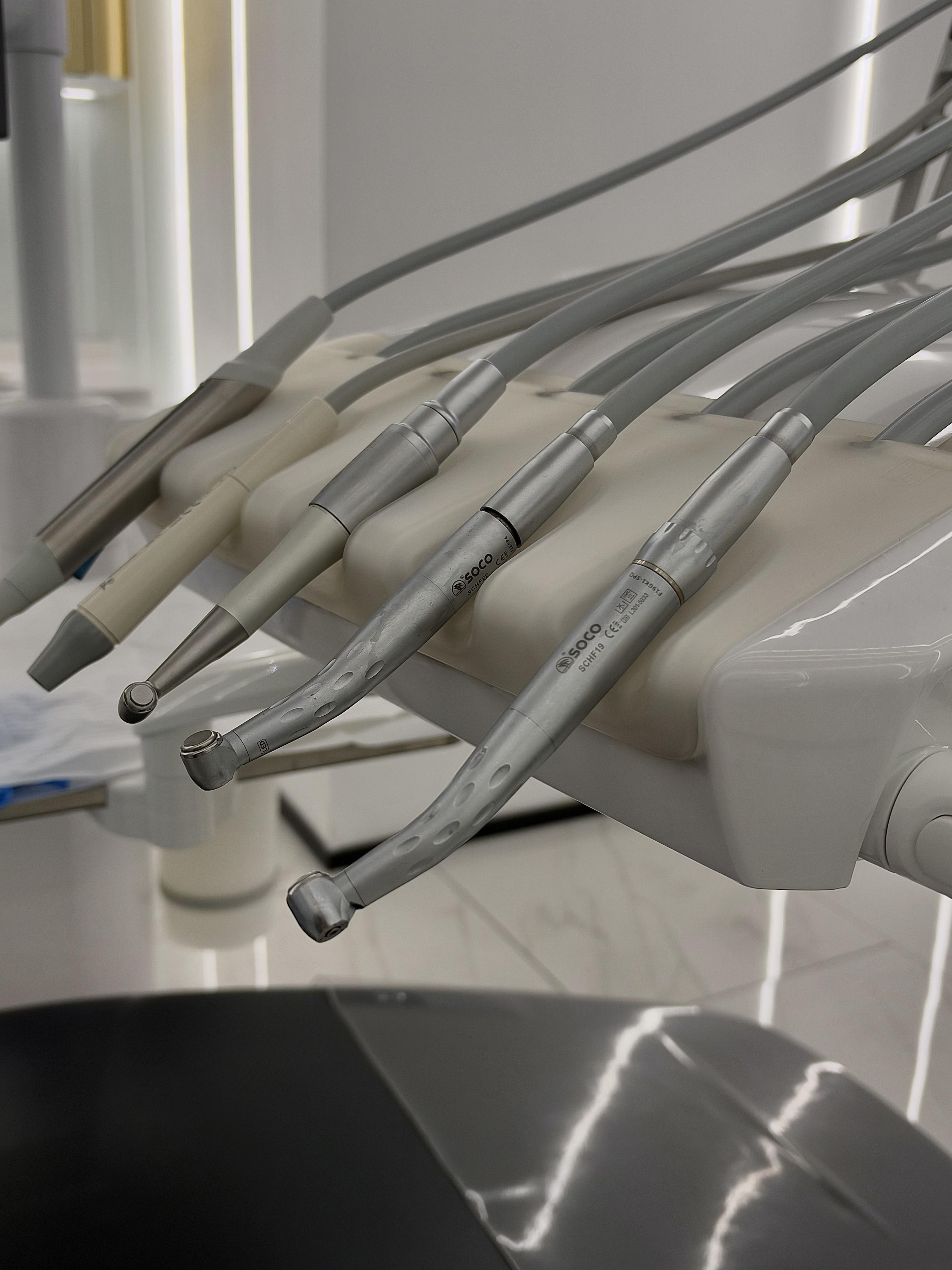
Digital scanning, imaging or planning tools may add information when they are appropriate to the clinical situation.
Explore Digital DentistryAcross the care process
Documented information, agreed responsibilities and coordinated communication are intended to support continuity of care.
View Patient Safety & QualityPlanning Care When You Travel
If you are travelling for care, the framework extends around your visit. Full travel information is on the International Patients page.
A preliminary assessment is not a diagnosis, a confirmed treatment plan or a final quotation.
You may share your concerns, available records and images through an appropriate channel. The privacy notice explains how health information is used.
A final diagnosis or treatment plan is confirmed only after an in-person clinical assessment.
Appointments and treatment stages may be coordinated with the practical support the clinic has confirmed it provides.
Treatment-specific follow-up information and an appropriate way to stay in contact may continue after you return.
Next step
Request an appointment for a clinical assessment, or contact the team if you have a question first.
Path 01
Request an appointment for an examination and a discussion of your options.
Book an AppointmentPath 02
Use the contact route for practical questions before you arrange a visit.
Contact DenthillPrefer a direct channel? Chat on WhatsApp